
The land you are standing on has a long history of human habitation. Estimates are that Native peoples lived on this land for 13,000 years before European contact. Known as N’dakinna, it is the traditional ancestral homeland of the Pennacook, Abenaki, and Wabanaki peoples past and present. We acknowledge and honor with gratitude the land, water, air, flora, fauna and Alnobak people who have stewarded N’dakinna throughout generations.
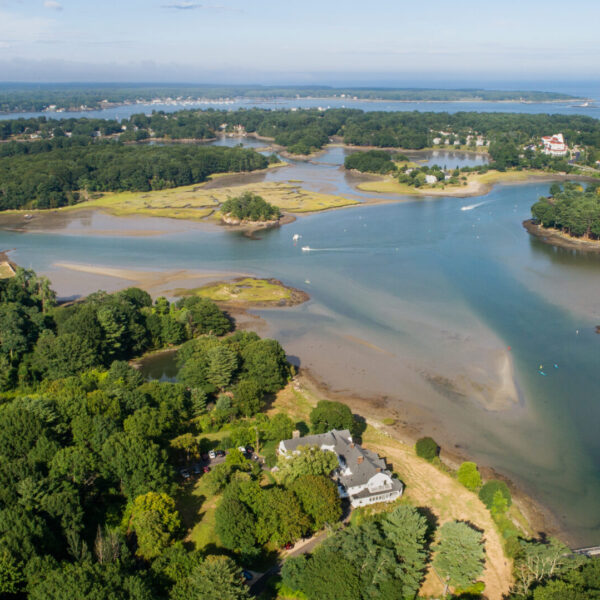
Sagamore Creek & Land
In front of Carey Cottage is Sagamore Creek, a tidal river where the fresh and salt water meet in the estuary, eventually flowing out to the Atlantic Ocean. Twice a day tides rise and fall, moving enormous amounts of water. Tidal estuaries are rich sources of habitat for birds, fish, and wildlife. Looking across the water, in the distance is the Atlantic Ocean. Just to the south is Ordione State Park and the site of the first European settlements in NH.
This site where Carey Cottage now stands was believed to be occupied by settler Nicholas Rowe as early as 1640. The Rowe farm passed into possession of Mark Hunking and then to Benning Wentworth who became the first Royal Governor of NH. Arthur Astor Carey purchased 40 acres of the original Benning Wentworth farm in 1887, soon enlarging his holdings to 119 acres in partnership with his brother.
Arthur Astor Carey
Arthur Astor Carey, the grandson of Johti’Jacob Astor and son of an English botanist, was born in Rome in 1857. Graduating from Harvard in 1879, Carey maintained his college friendships through a lifetime of travel, art, music, and thought. From 1881 to 1883, Carey studied art in Europe with J. Templeman Coolidge and visited Egypt with another college friend, Hemy Chapman Mercer.
Characteristic of the time and his social standing, Carey both romanticized the past and worked toward the betterment of the future through the Arts and Crafts Movement and later in the Settlement House movement. These interests expressed themselves in the several buildings he commissioned in the Boston area and in Little Harbor, New Hampshire.
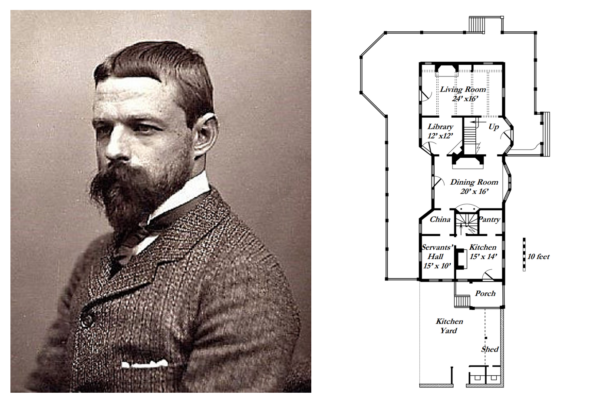
Eight years after his graduation from Harvard, in 1887, Carey purchased 40 acres of land next to the summer home of his friend, artist J. Templeman Coolidge. On it, Carey commissioned Alexander Wadsworth Longfellow to design a summer cottage in the shingle style, with 17th and 18th century “colonial revival” references. The now 119-acre property and house were known as Creek Farm. Today the house is called Carey Cottage.
In 1889, Carey married Agnes Laura Mary Whiteside, a Catholic woman whose father was English and mother Italian. She had been a companion and governess for Empress Eugenie. Mrs. Carey’s influence on Creek Farm is evident in the beautifully handcrafted music room and the Italian formal garden with its Venetian stone lions.
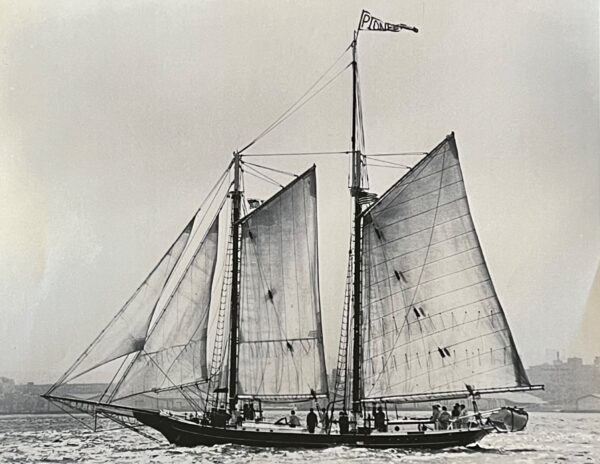
Carey himself was also involved in the nonprofit sector. In 1912 he founded the first ever Sea Scouts troop, who acquired the use of an 82-foot converted fishing boat that became known as The Schooner Pioneer and was donated by Carey. He is considered the first national Sea Scout Director since he functioned as Chartered Partner Representative and Committee Chairman.
As a Sea Scout I promise to do my best:
To guard against water accidents
To know the location and proper use of the lifesaving devices of every boat I board
To be prepared to render aid to those in need
To seek to preserve the motto of the sea:
Women and Children first.
The Portsmouth Peace Treaty and Historic Gardens
In 1905, Creek Farm owners Arthur Astor Carey and his wife Agnes acted as citizen diplomats hosting informal meetings of Russian and Japanese delegates during the negotiations to end the Russo-Japanese War, a two year conflict with a death toll of 600,000. The formal negotiations were held in Kittery, Maine at the Portsmouth Naval Shipyard and resulted in The Portsmouth Peace Treaty, signed September 5, 1905. The Katsura tree in the Carey Cottage courtyard was a thank-you gift from the Japanese government to Arthur and Agnes Carey.
To learn more check out the Portsmouth Peace Treaty Website quoted here:
“The Portsmouth Herald reported that Agnes Carey assisted Mrs. Herbert Pierce (Helen Pierce, who had grown up in Portsmouth) with official entertaining by her husband Third Assistant Secretary of State, Herbert H.H. Pierce, President Roosevelt’s representative on site. After assisting Mrs. Pierce, Mrs. Carey took up the cause of providing hospitality by inviting the Russian and Japanese delegations to her home for dinners and garden parties. One garden party in particular took place on Sunday, August 27th, at the height of tensions over the final terms of the negotiations.”
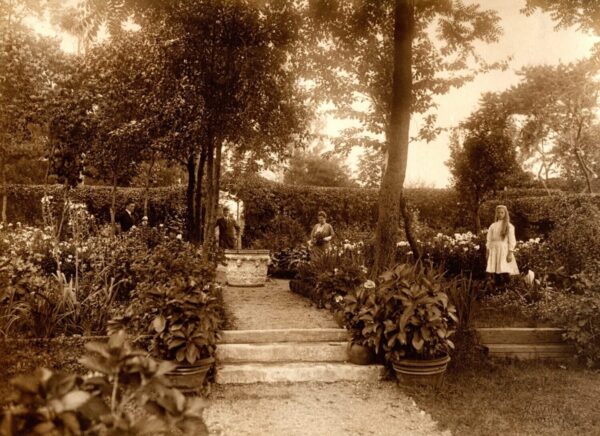
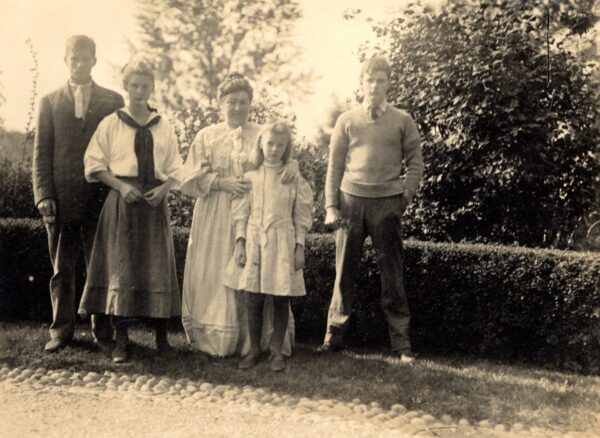
- Garden photo with well head and steps in foreground and family members Agnes, Alida, Rex, and Graham in the garden c. 1900
- Agnes Carey with her four children standing together c.1910 – 1915
The Carey family’s Italian-inspired formal garden which occupied a large area of this lawn was enclosed by a hedge and featured the decorated wellhead and stone steps that remain here today. This circa 1900 photograph of the garden includes mother Agnes Carey, sons Henry and Arthur, and the oldest daughter Alida. Missing from the photo are father Arthur Carey and the younger daughter Frances. Today new gardens enliven the landscape maintained by Carey Cottage residents, University of New Hampshire Master Gardener volunteers, and landscape architects with an emphasis on native and pollinator-friendly plants.
Carey Cottage Renovation 2020
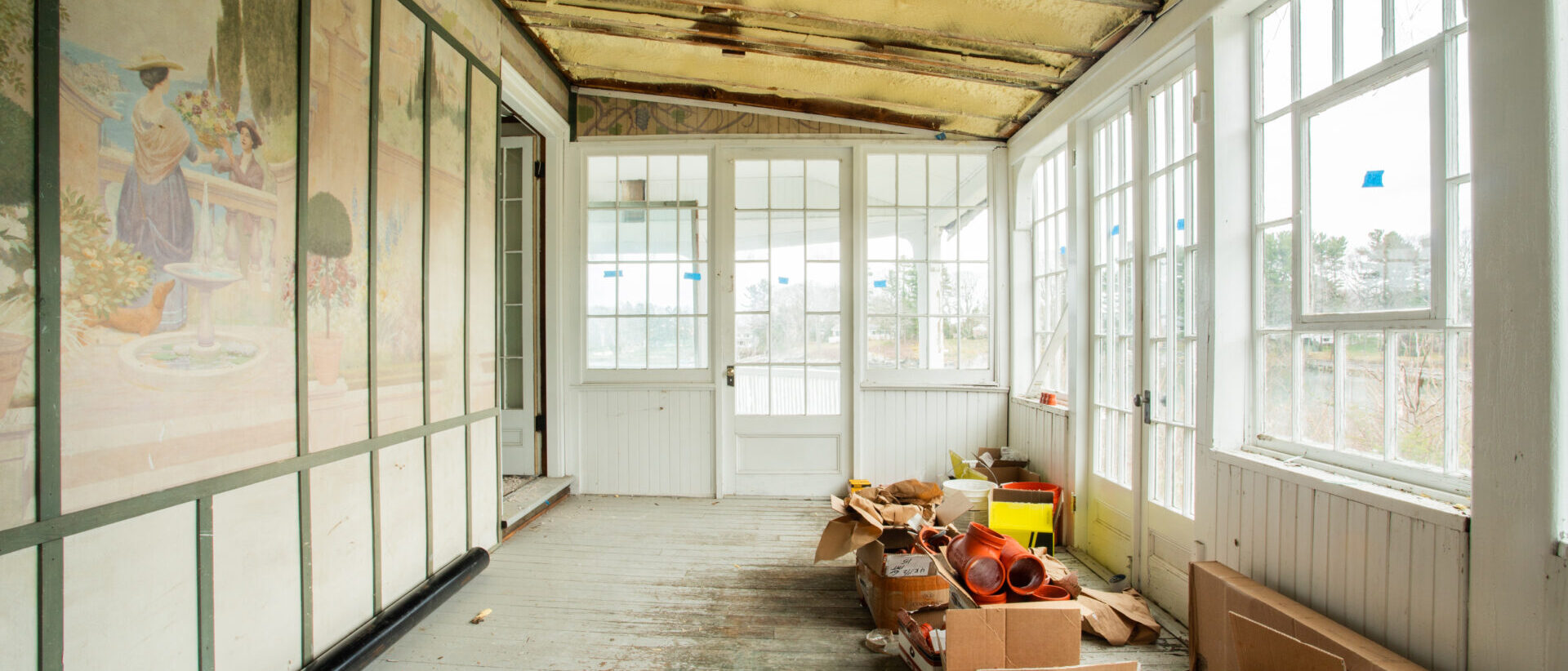
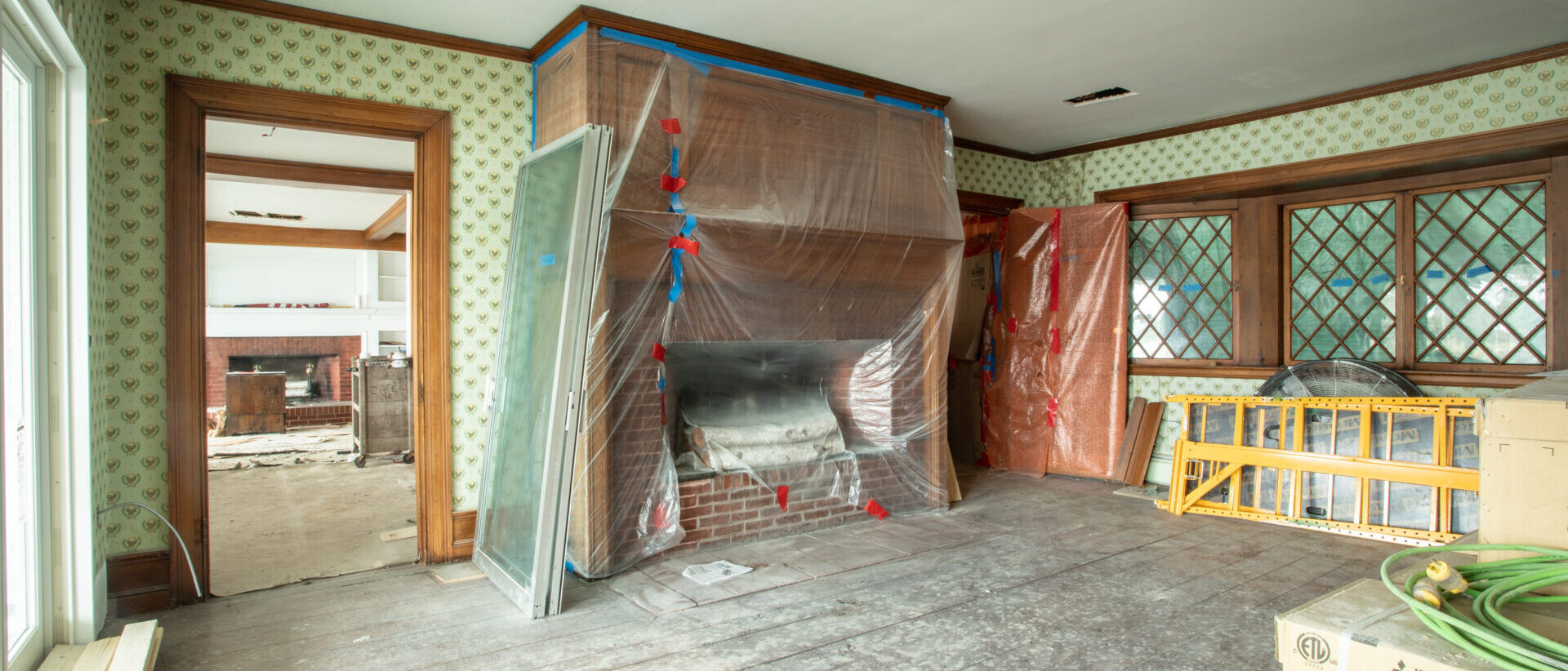
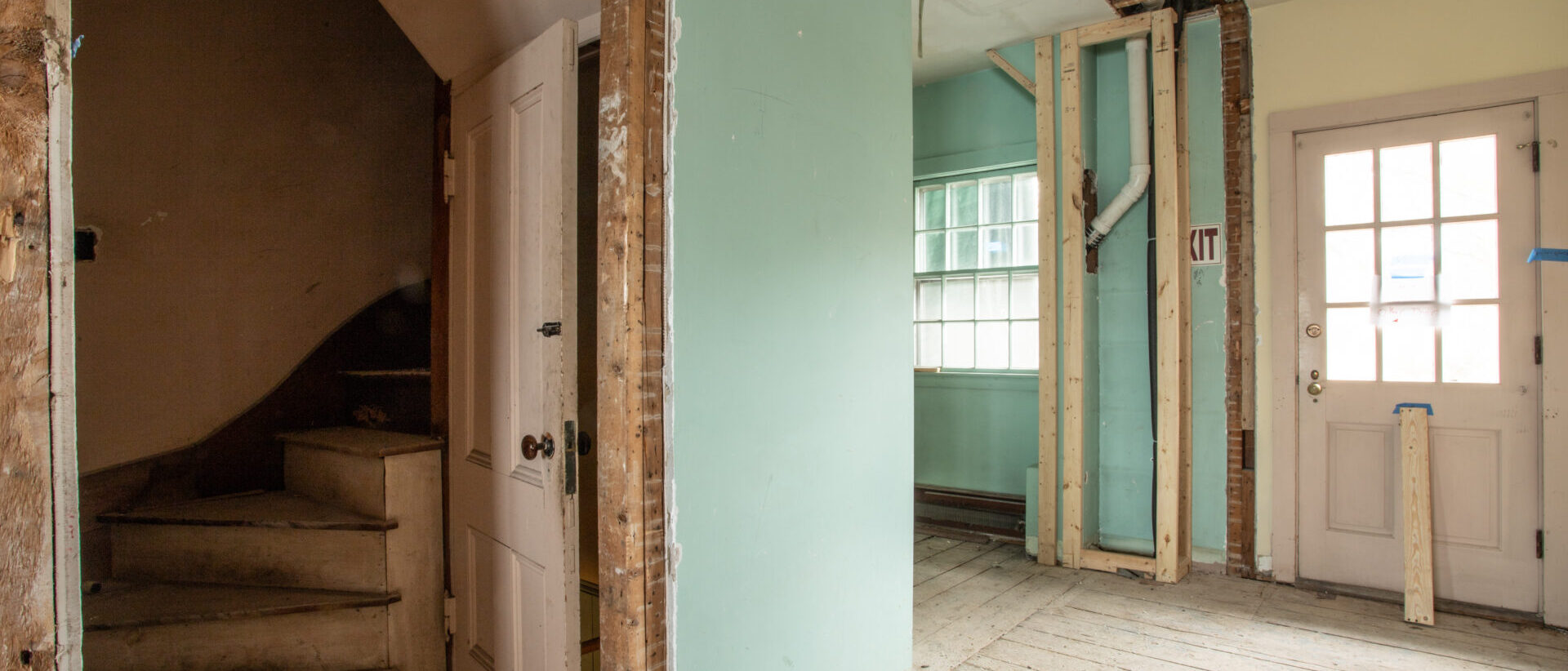
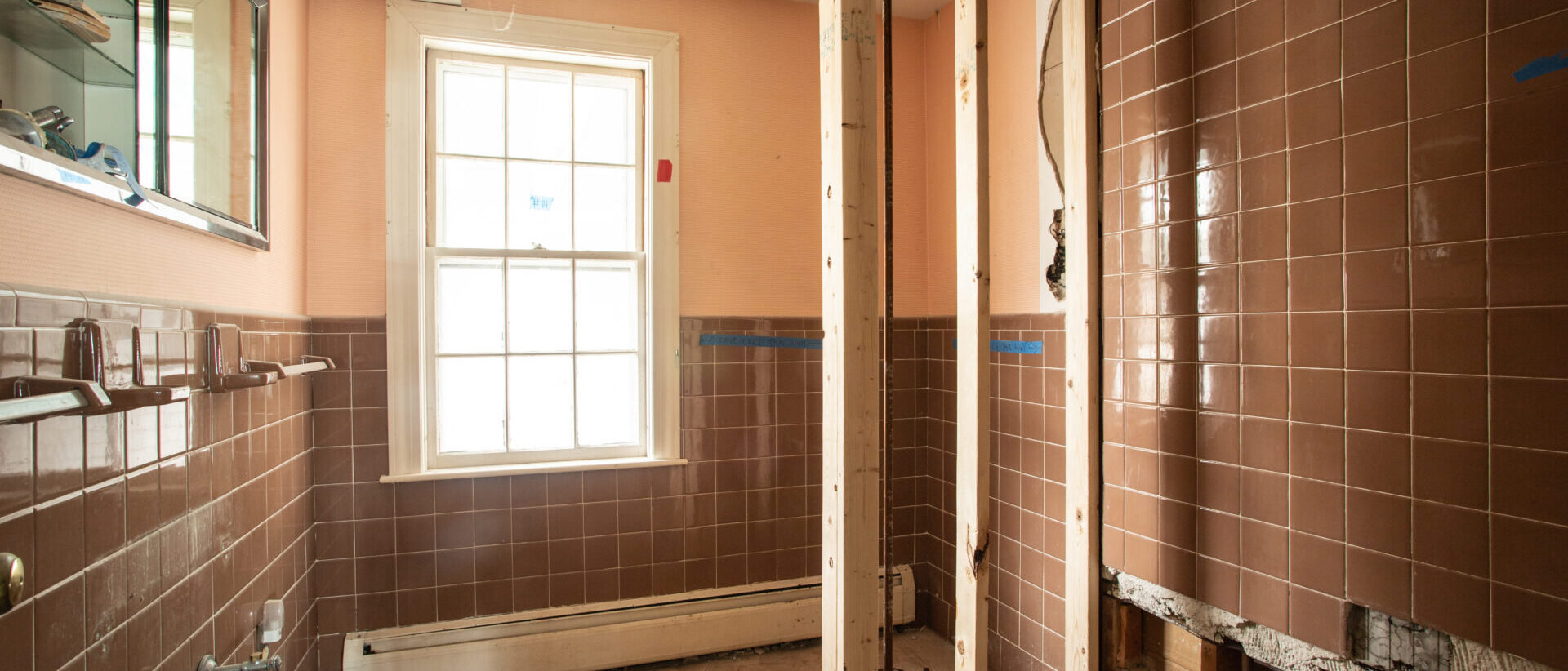
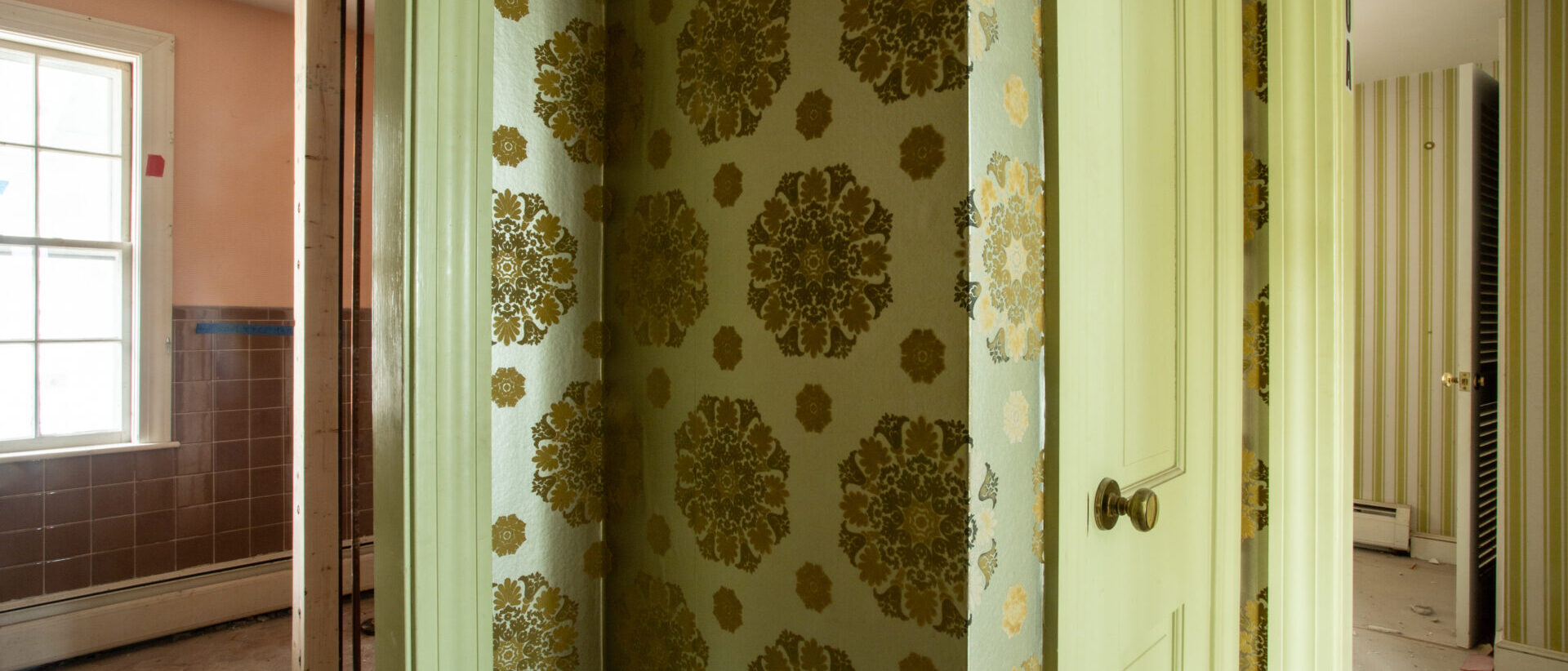

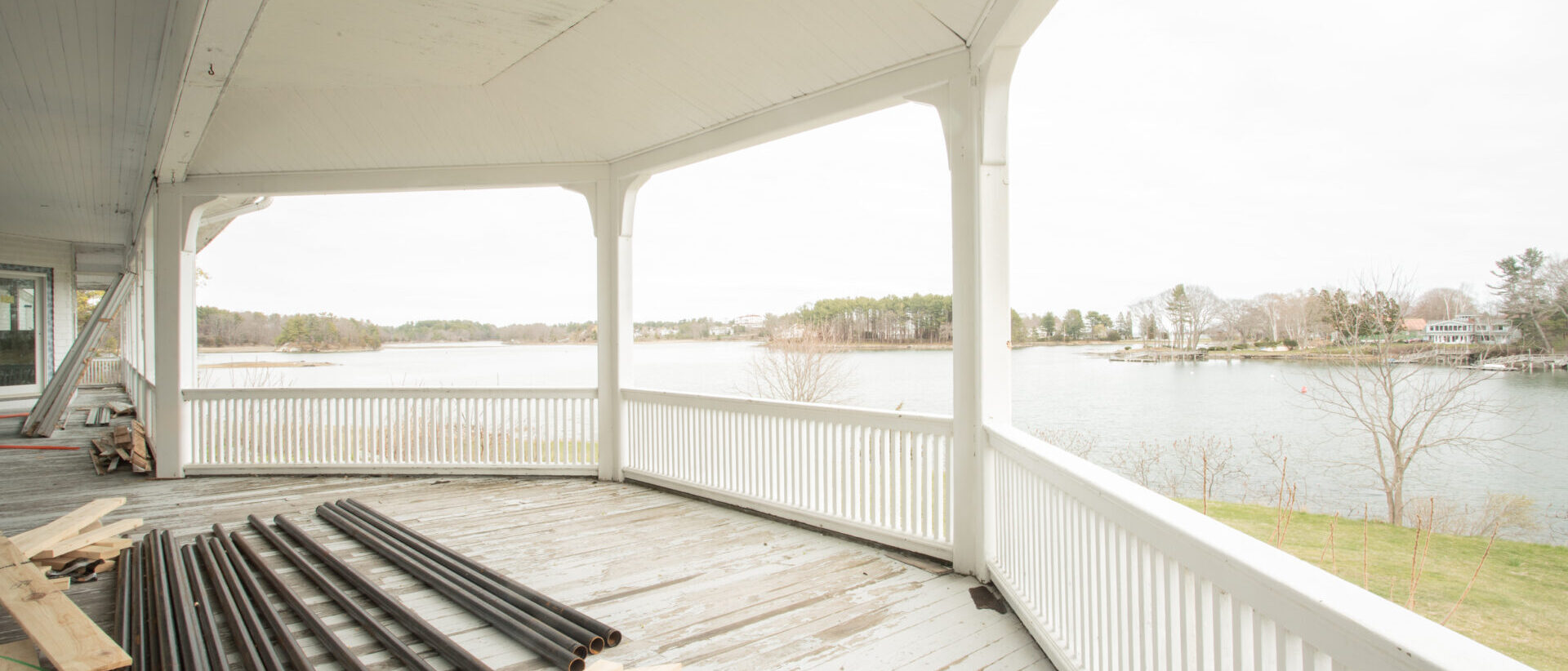

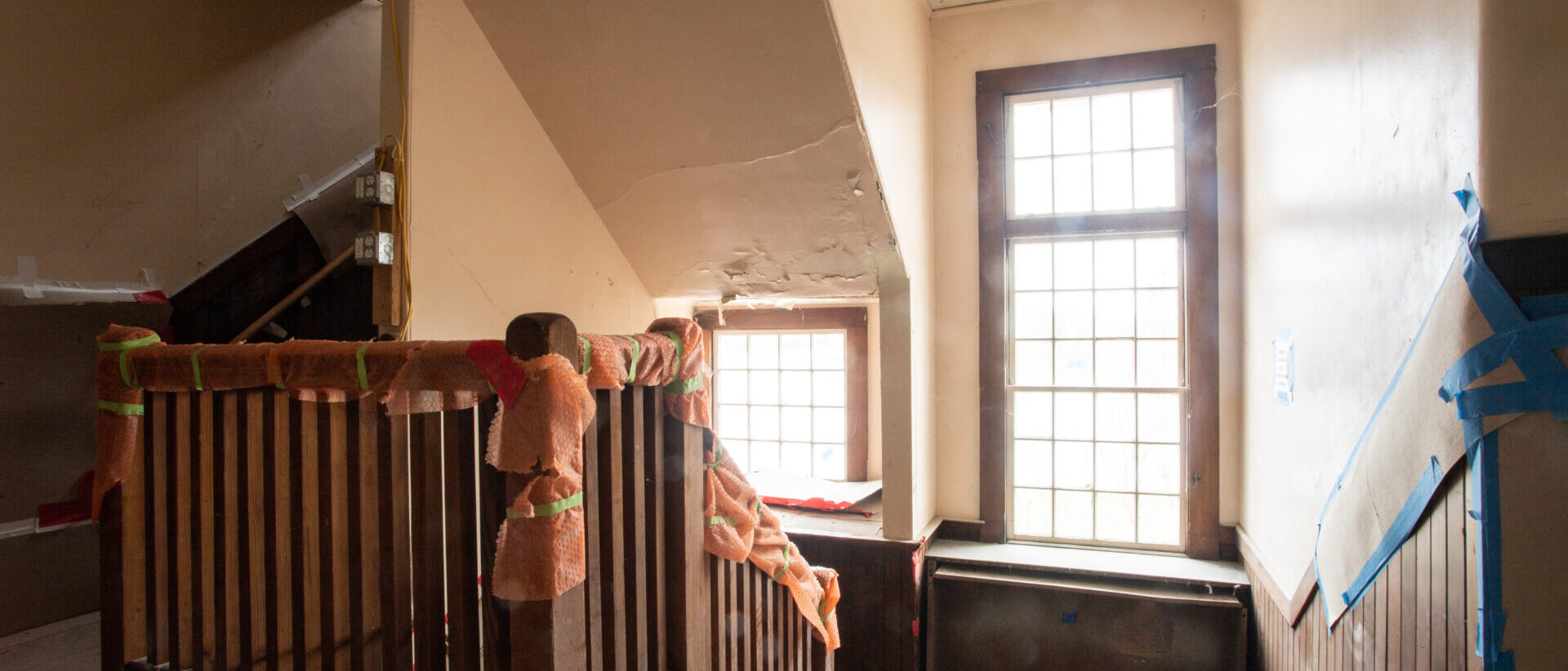
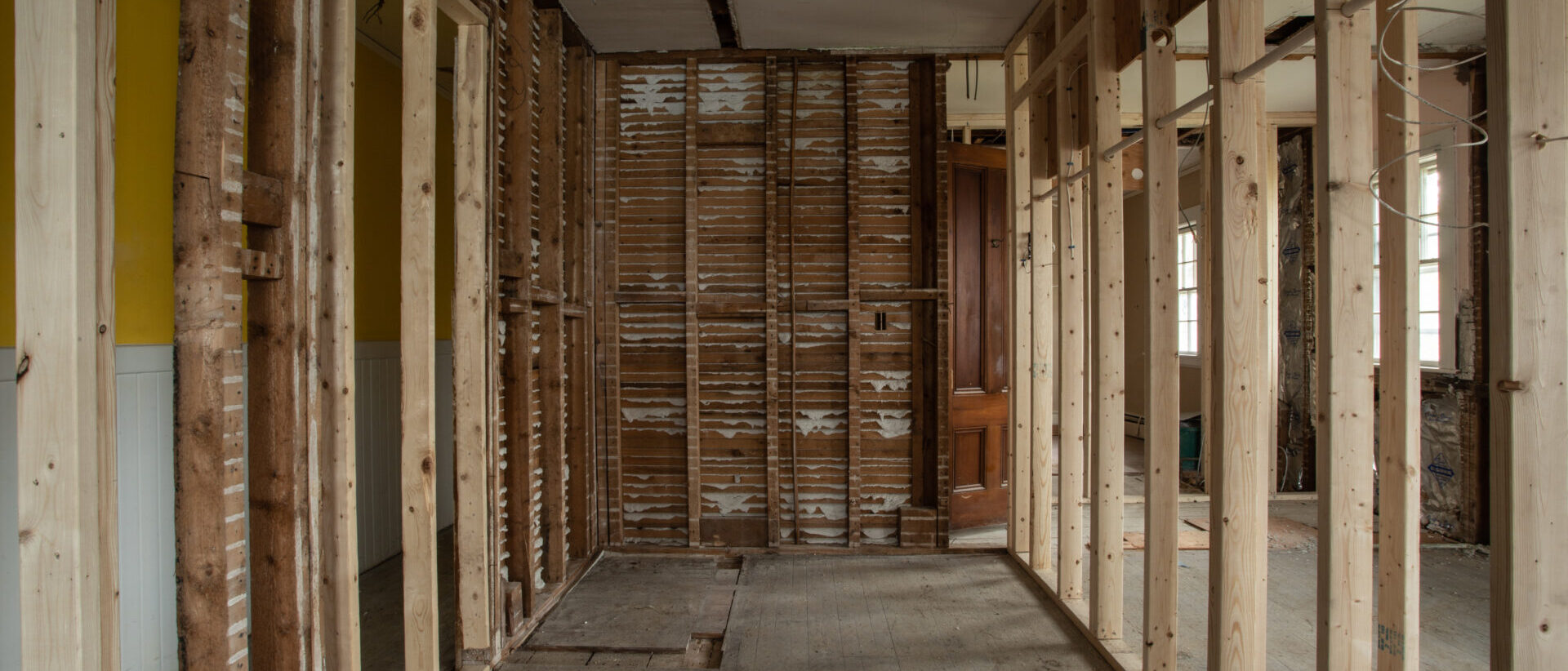
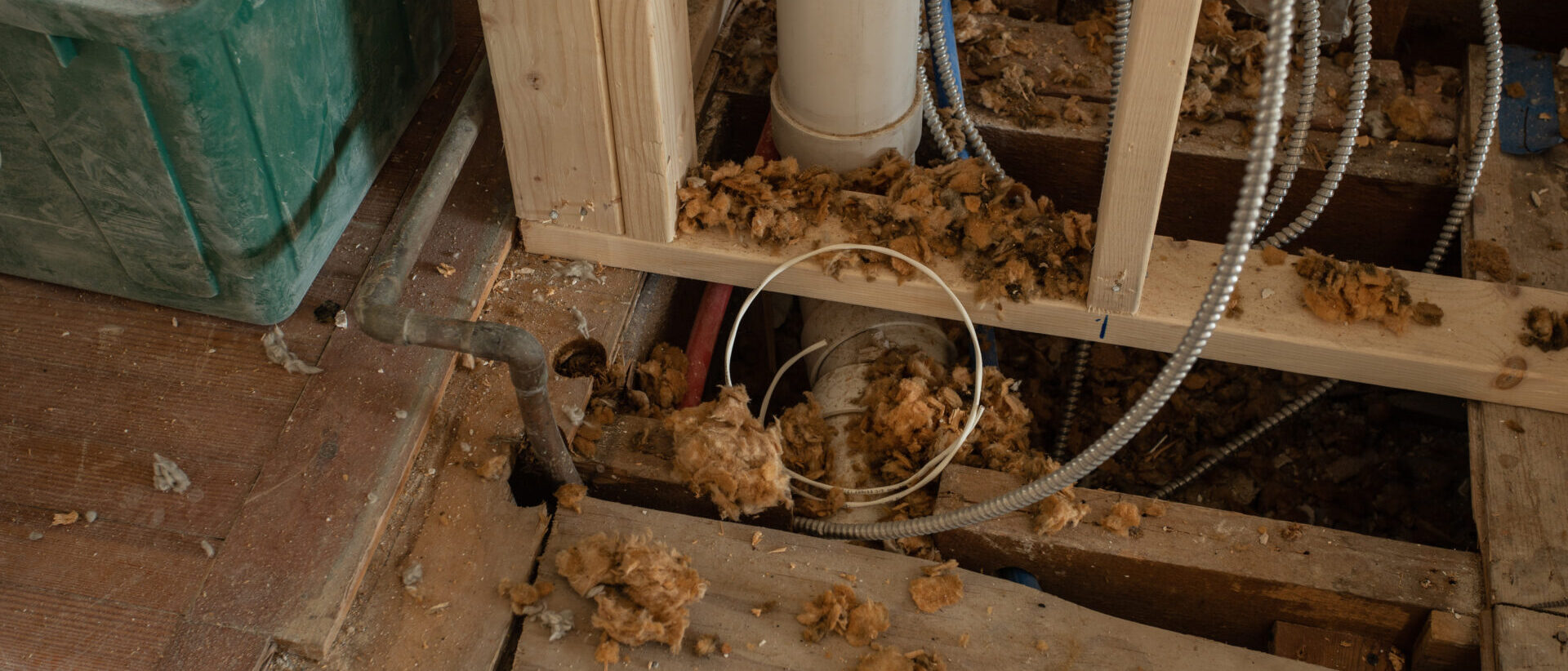

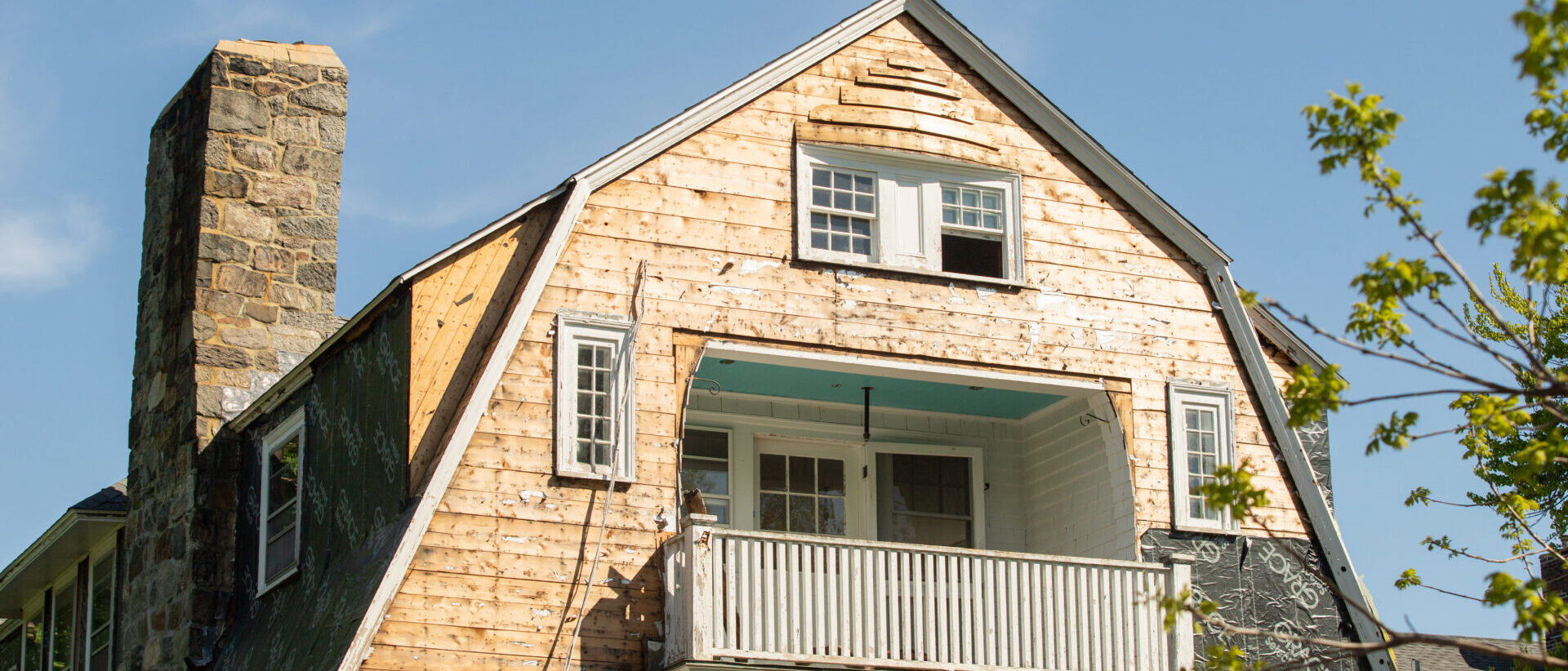
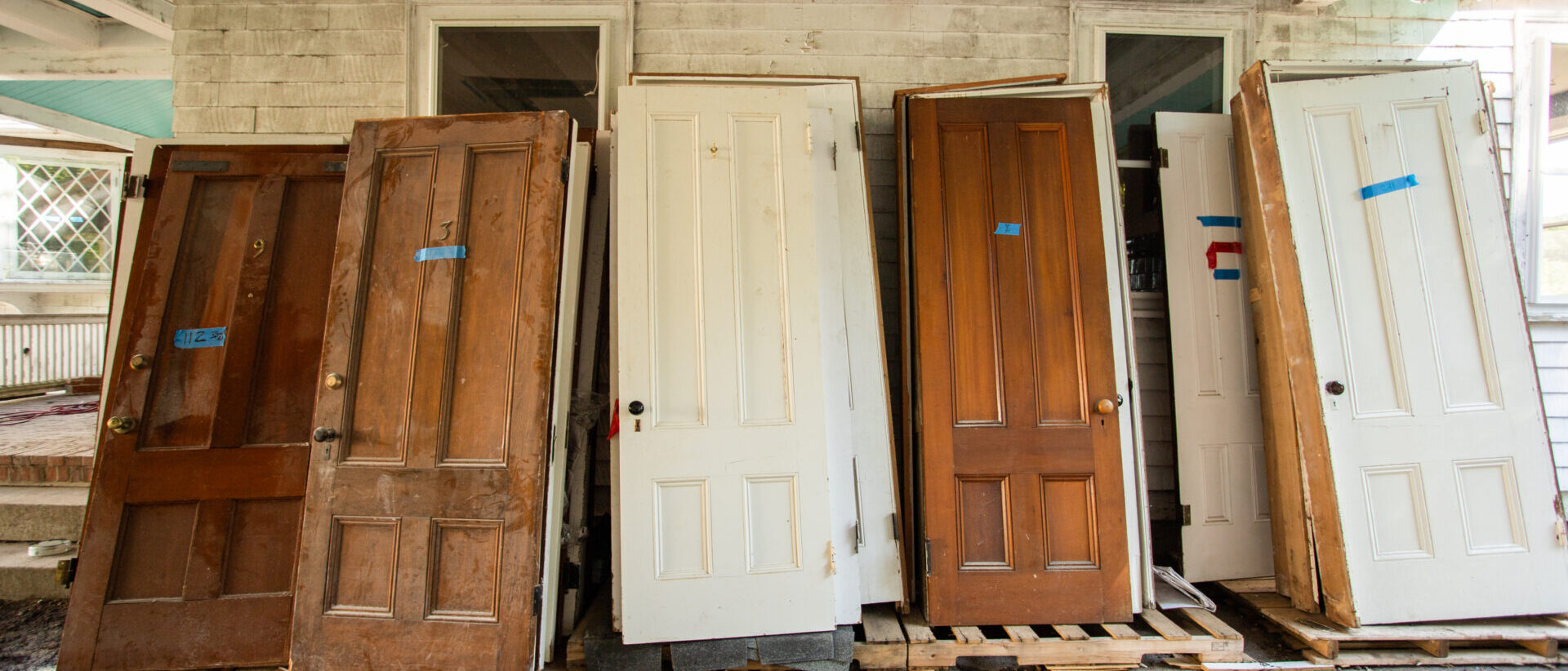
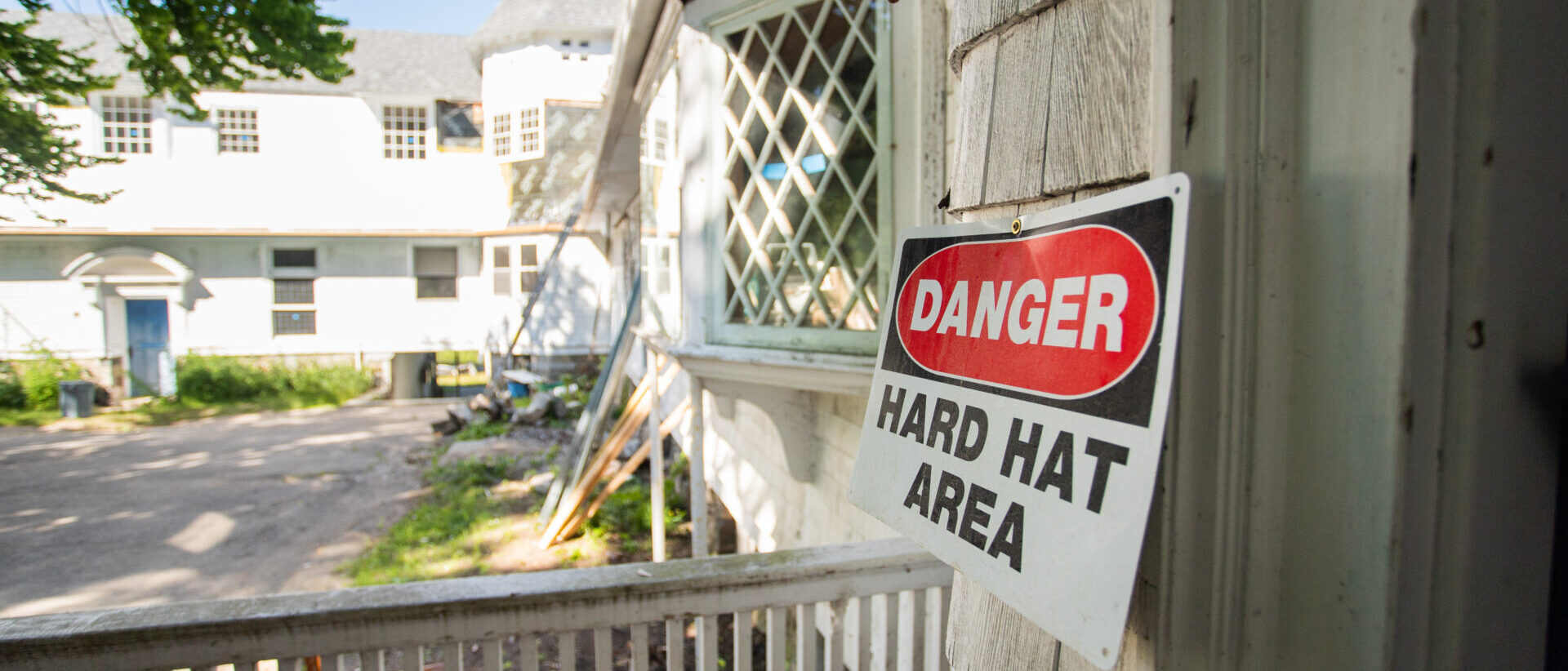
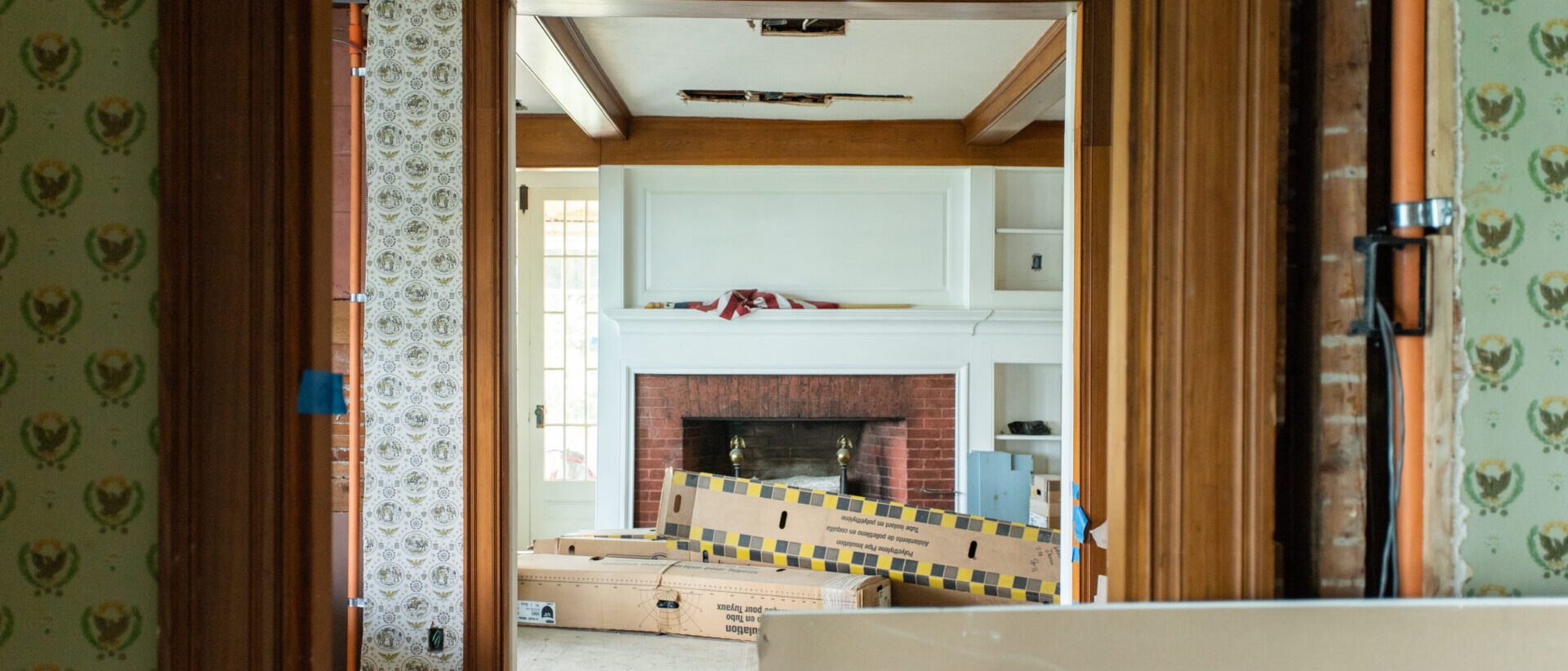
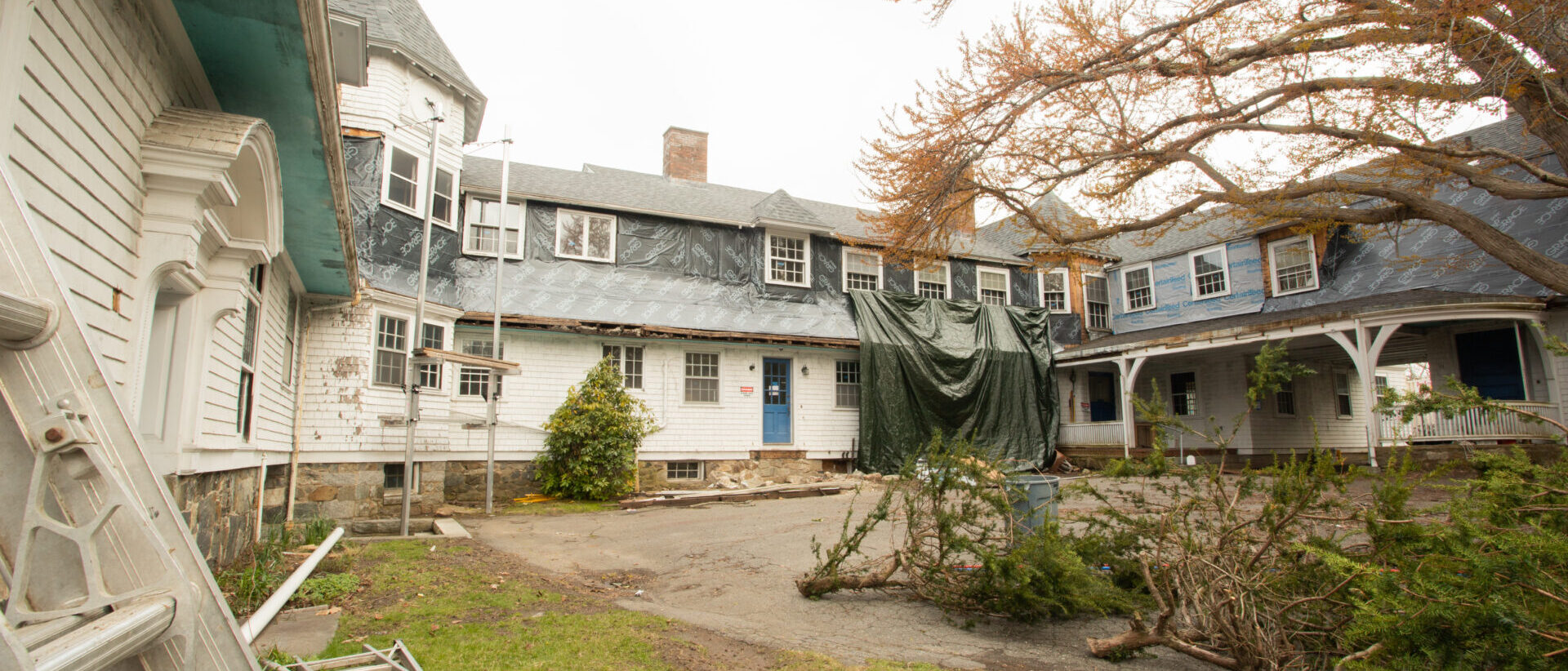
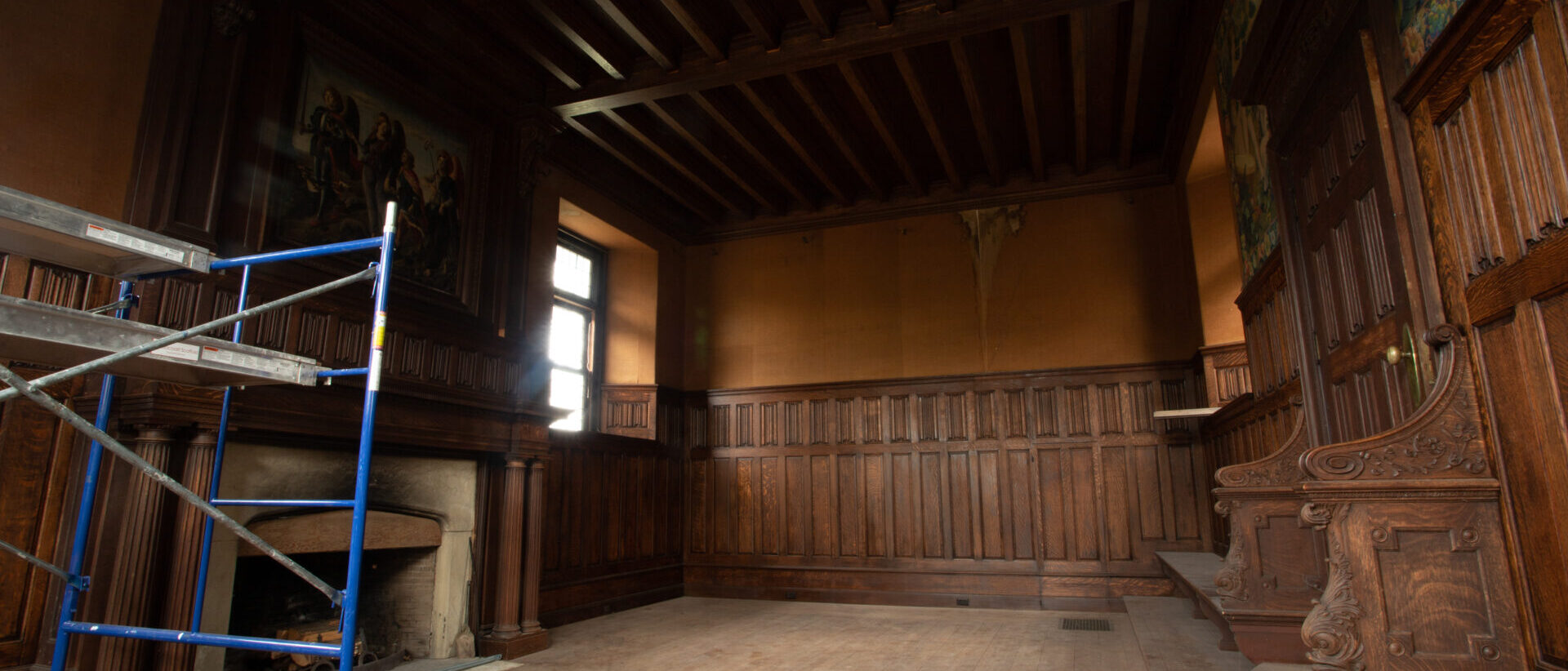

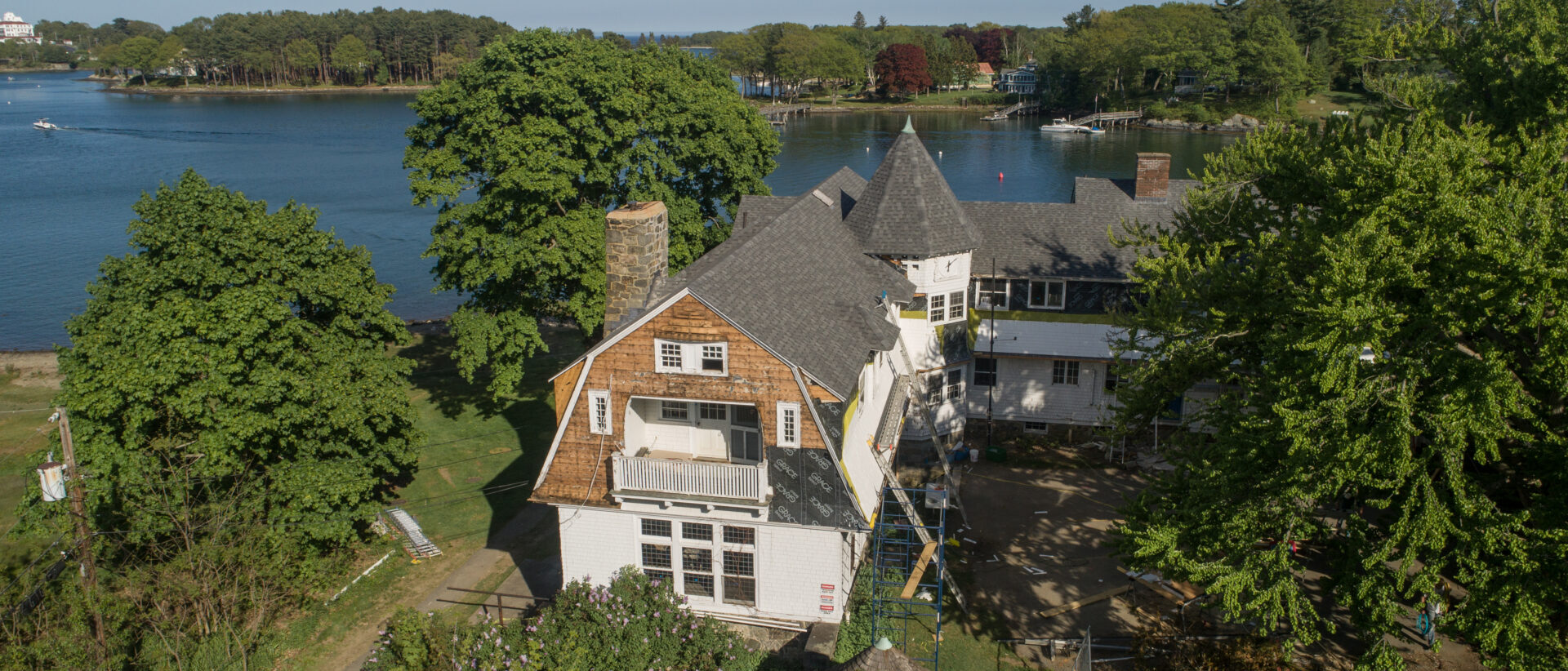

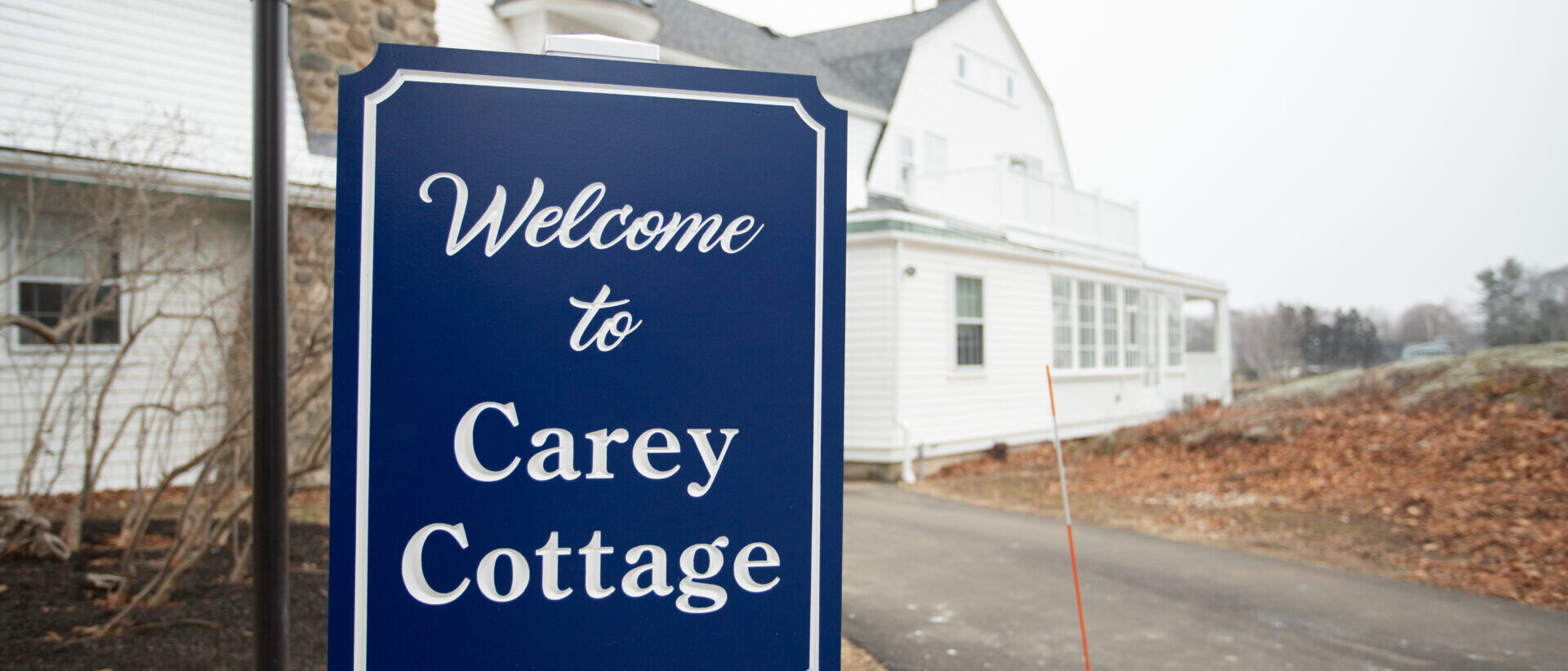
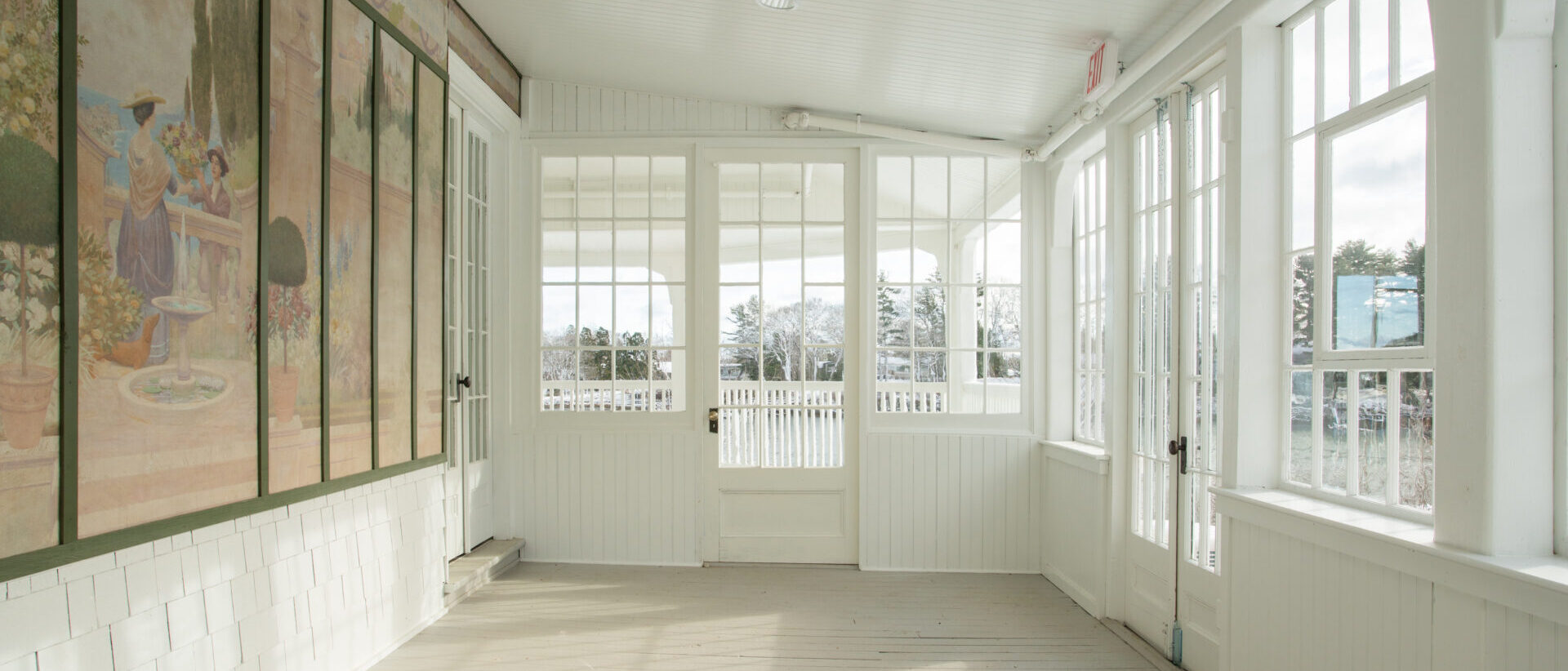
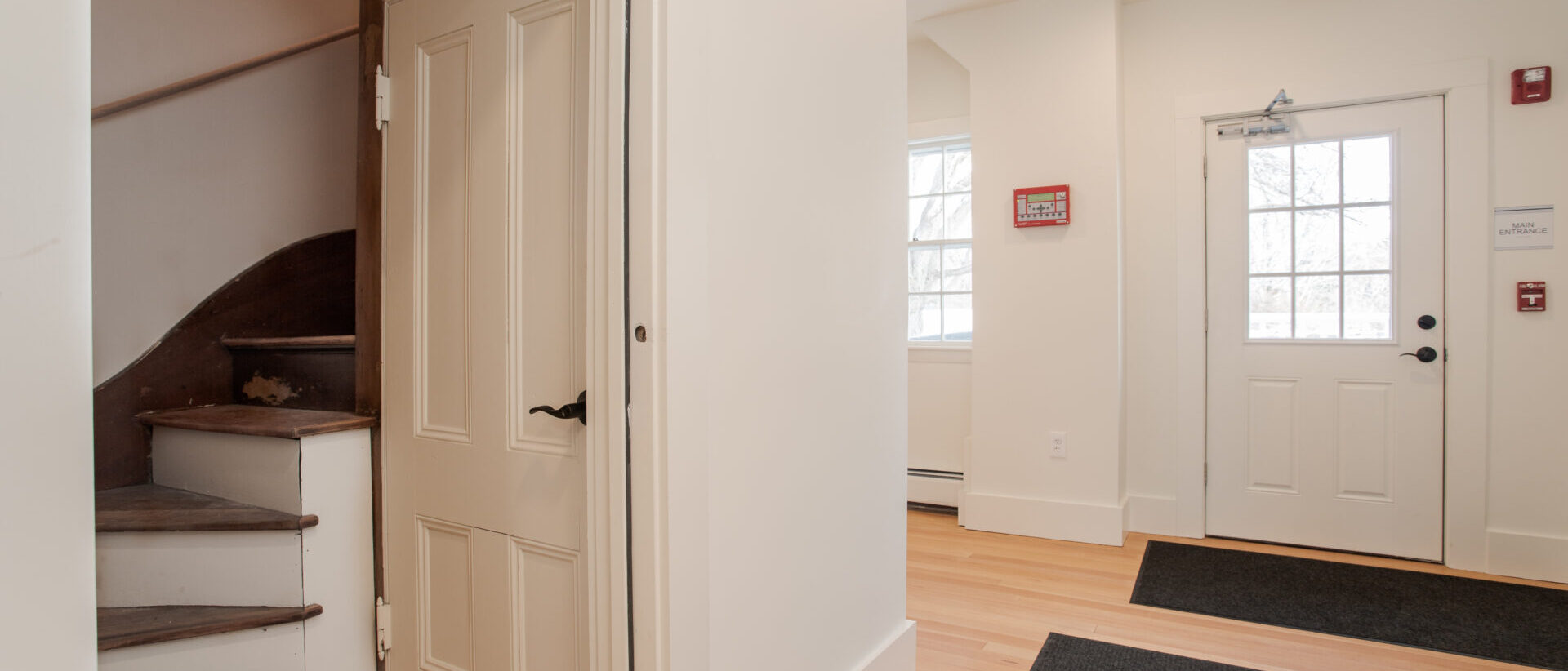
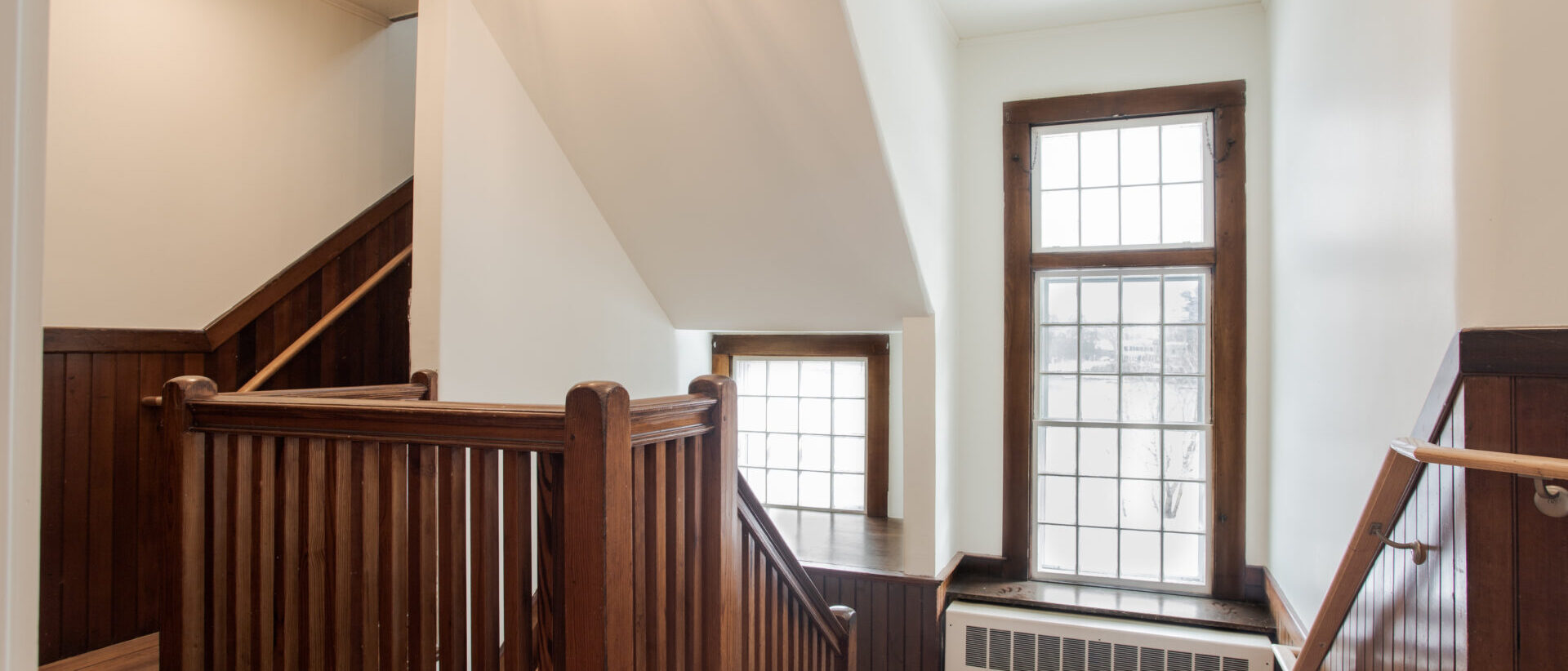
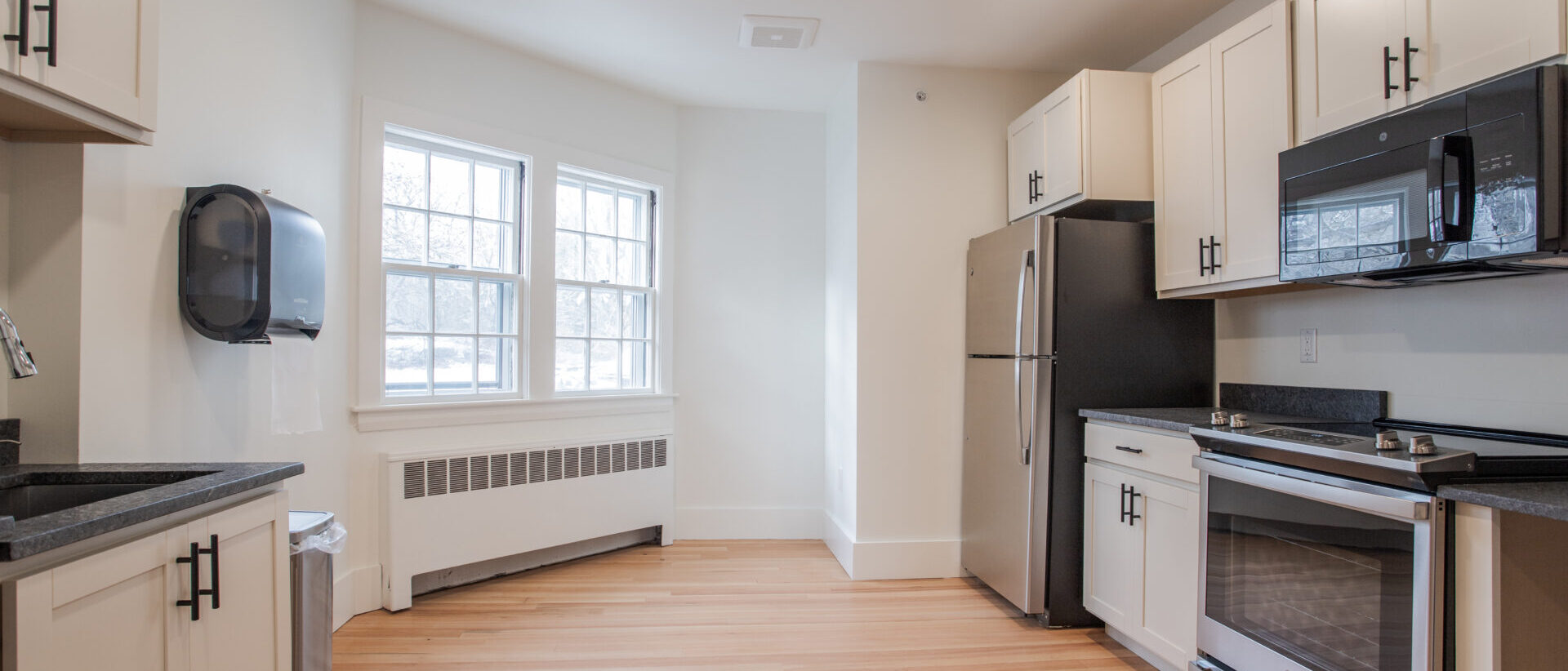
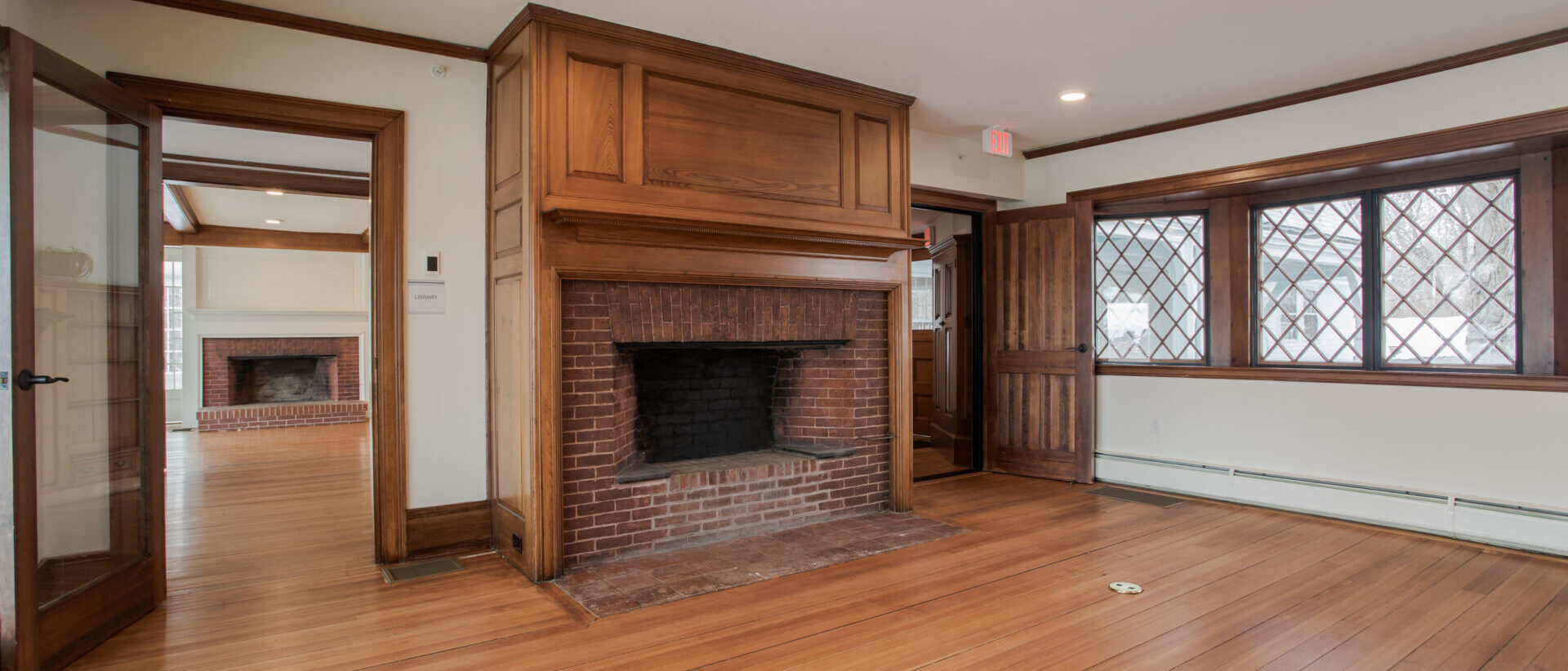
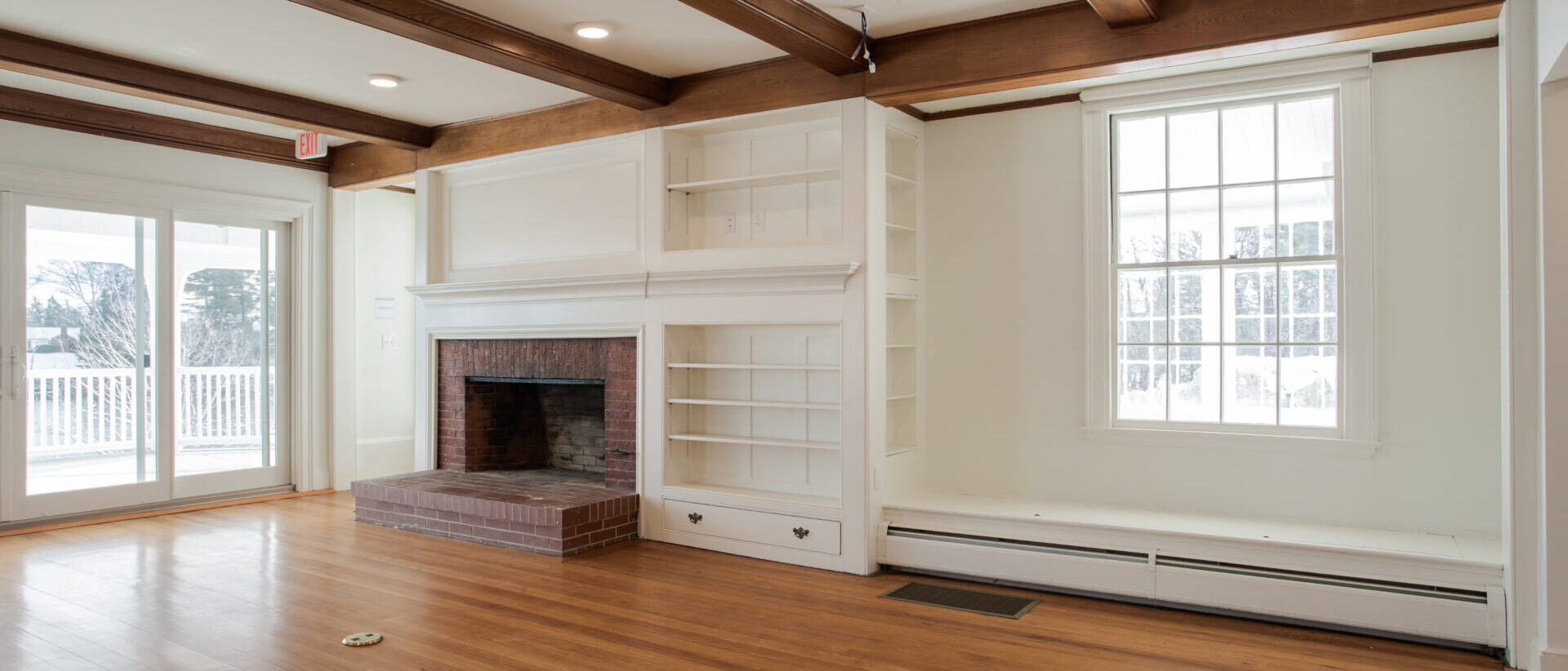
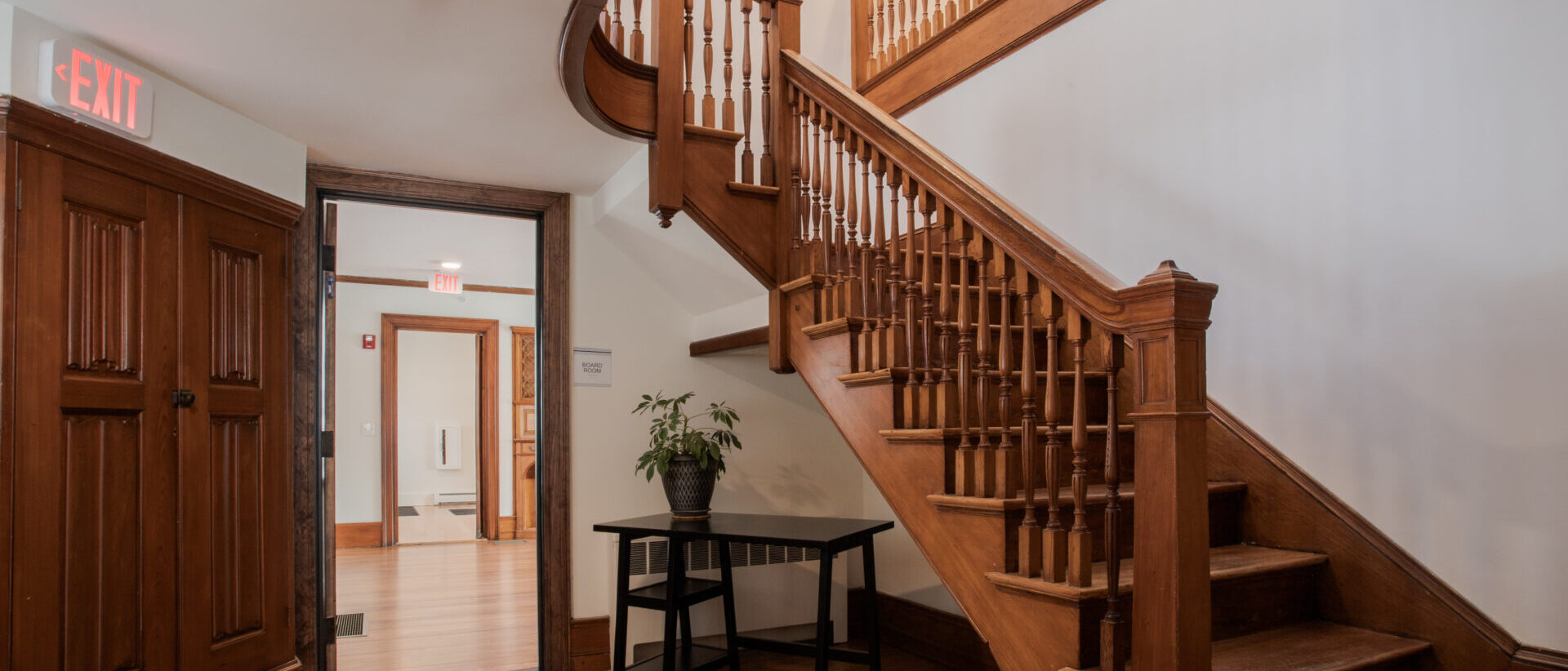
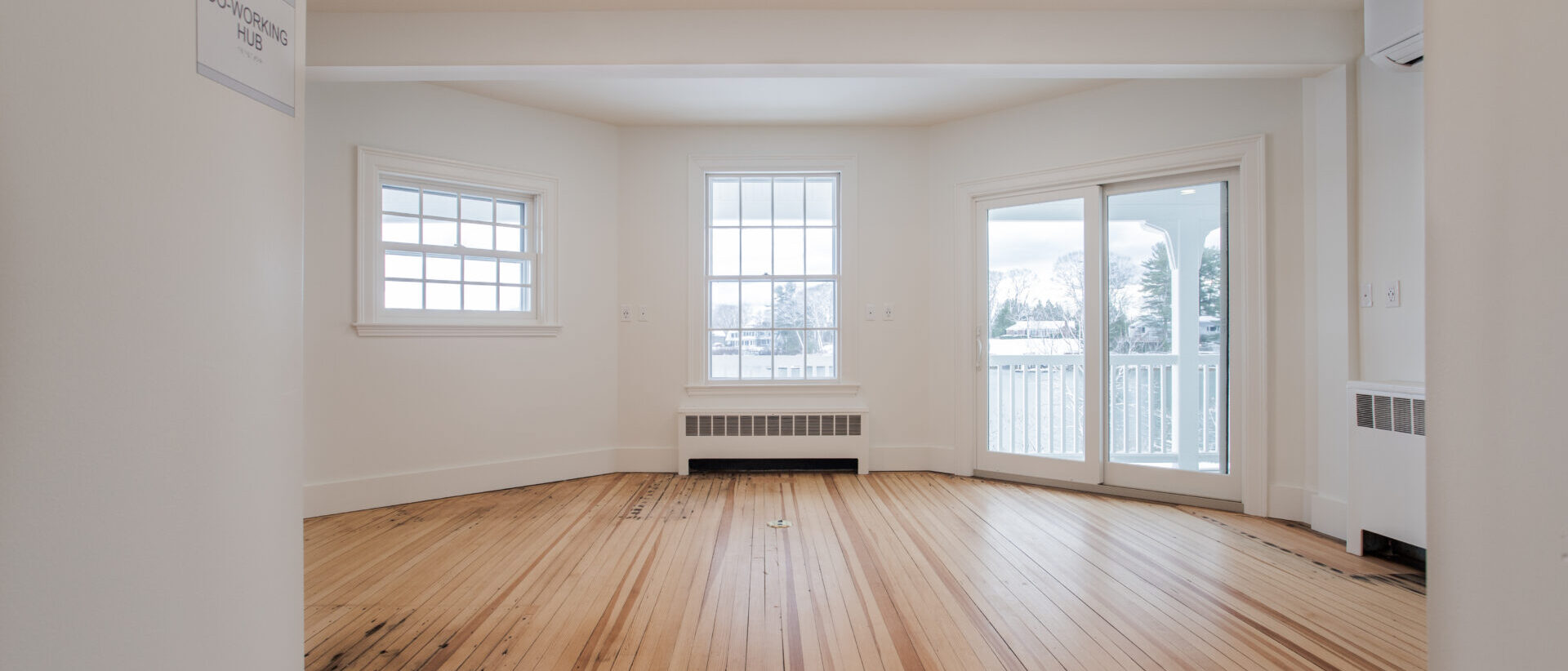
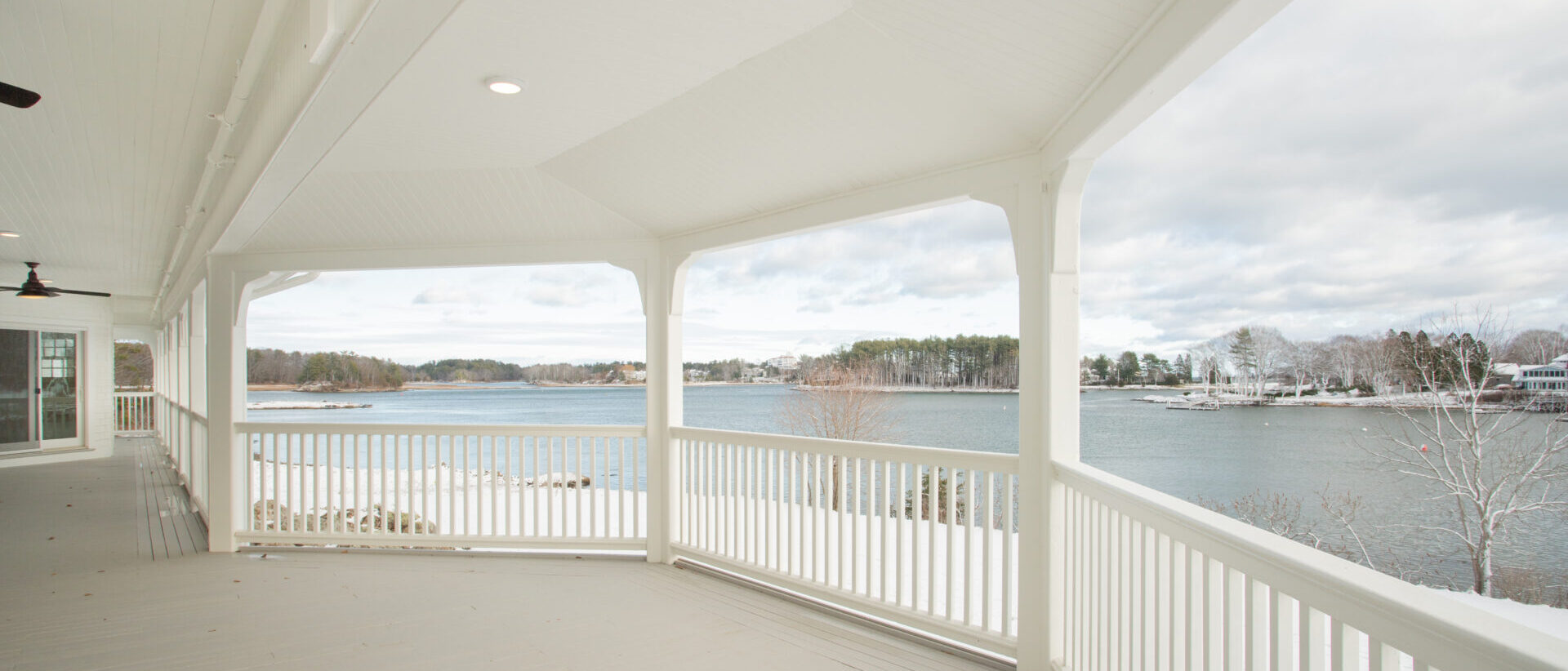
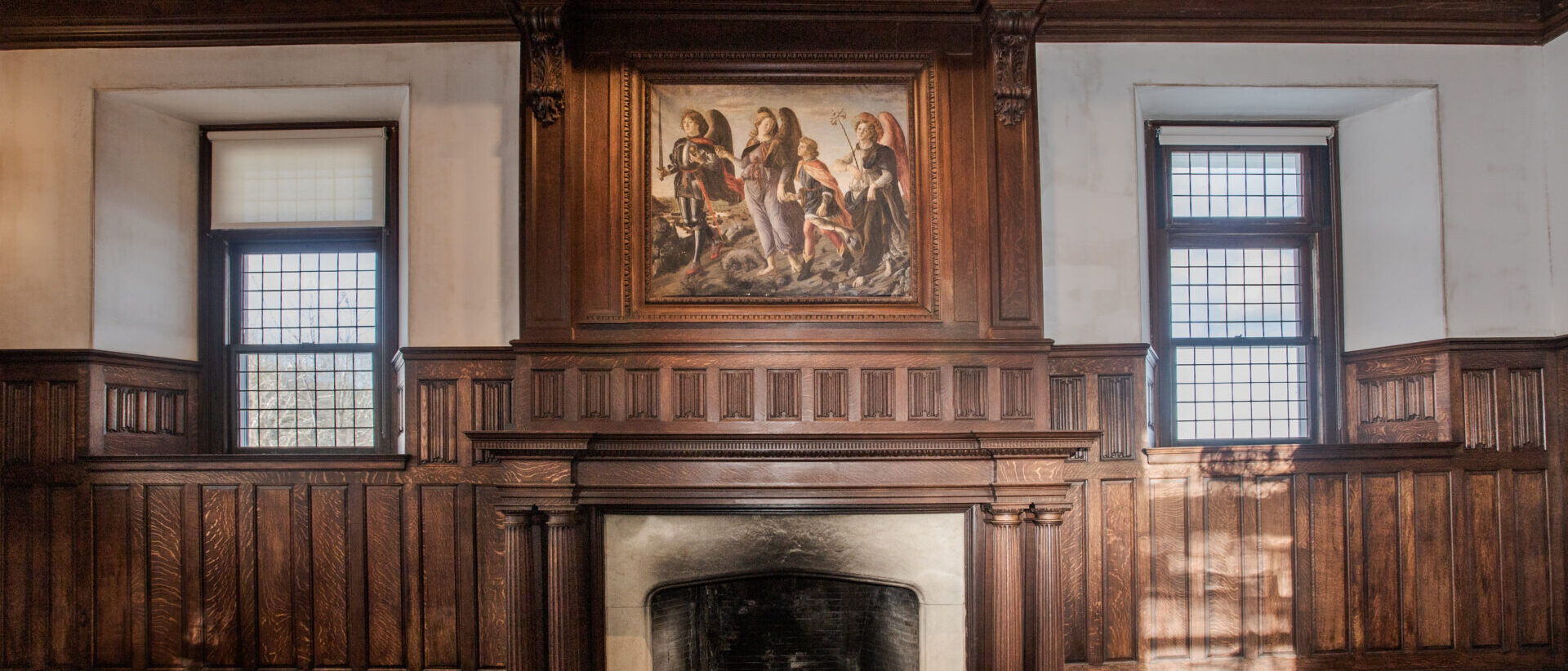
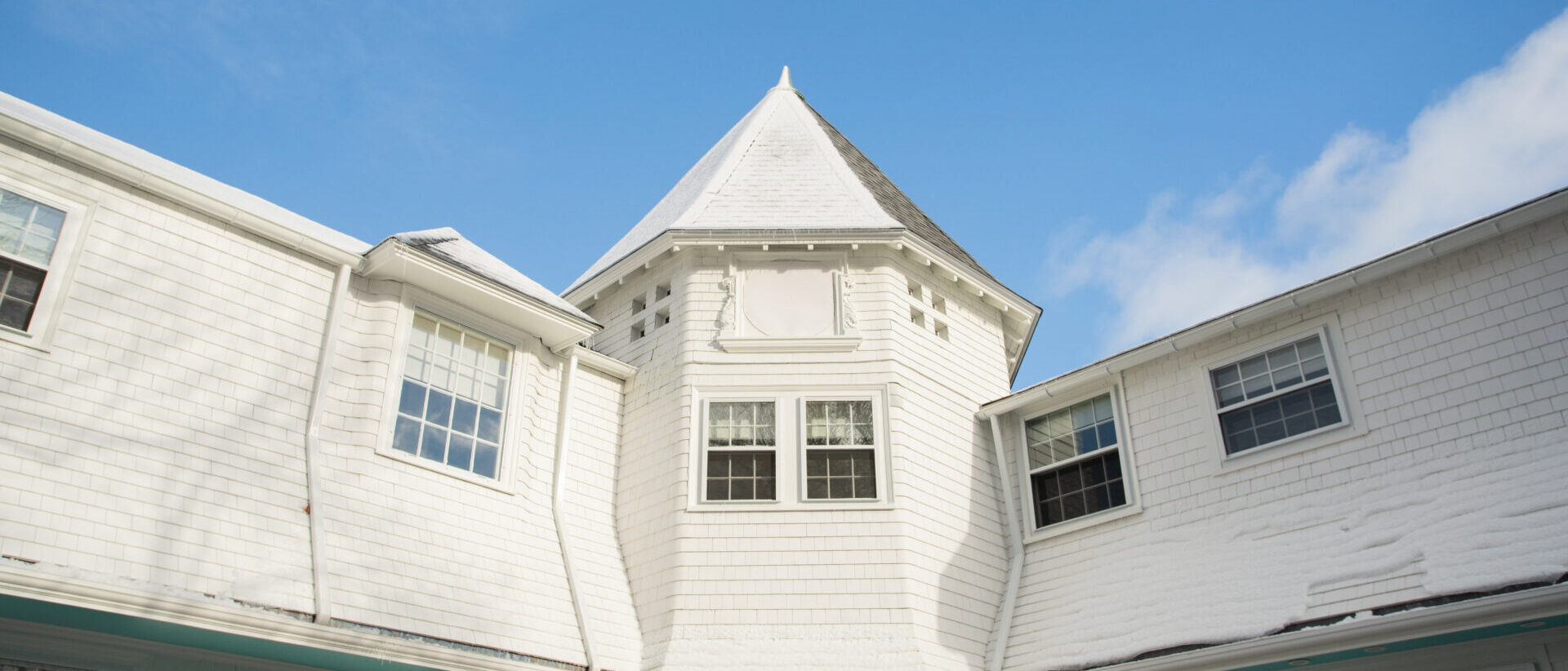
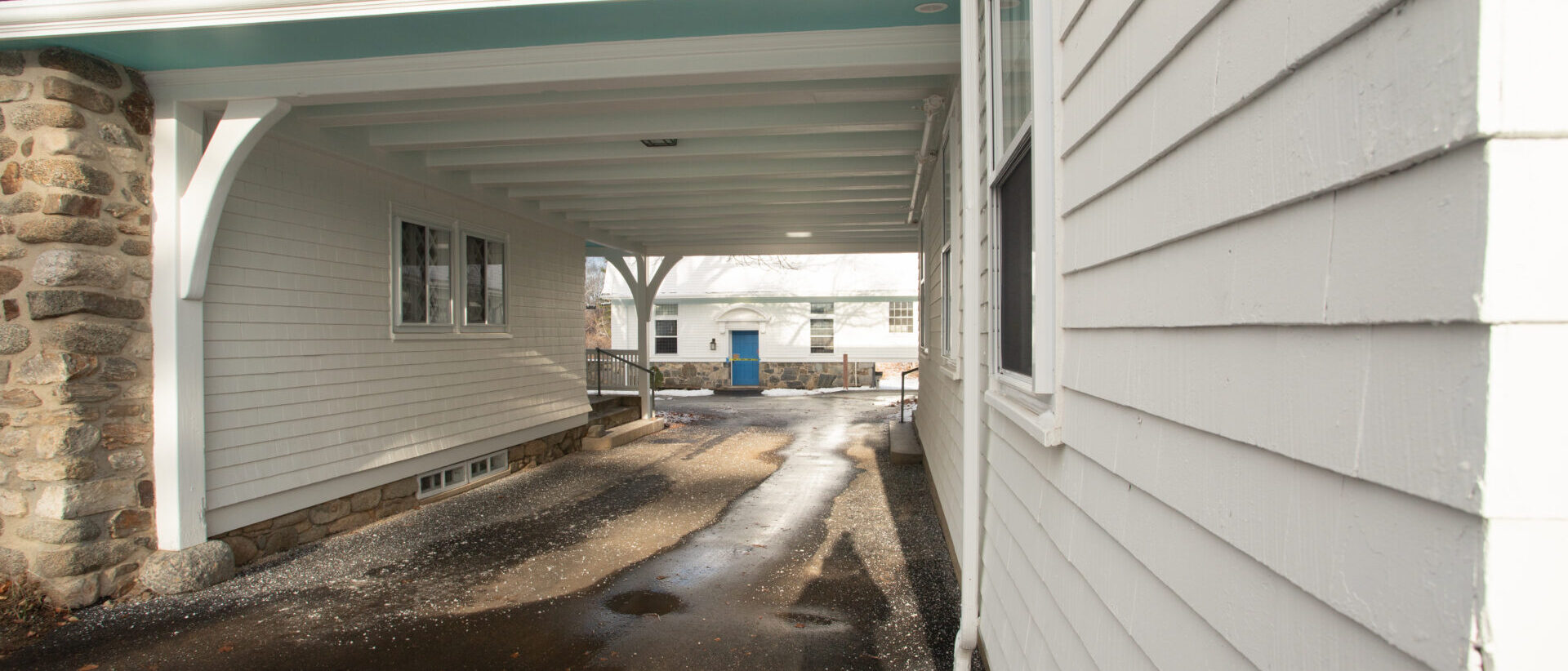
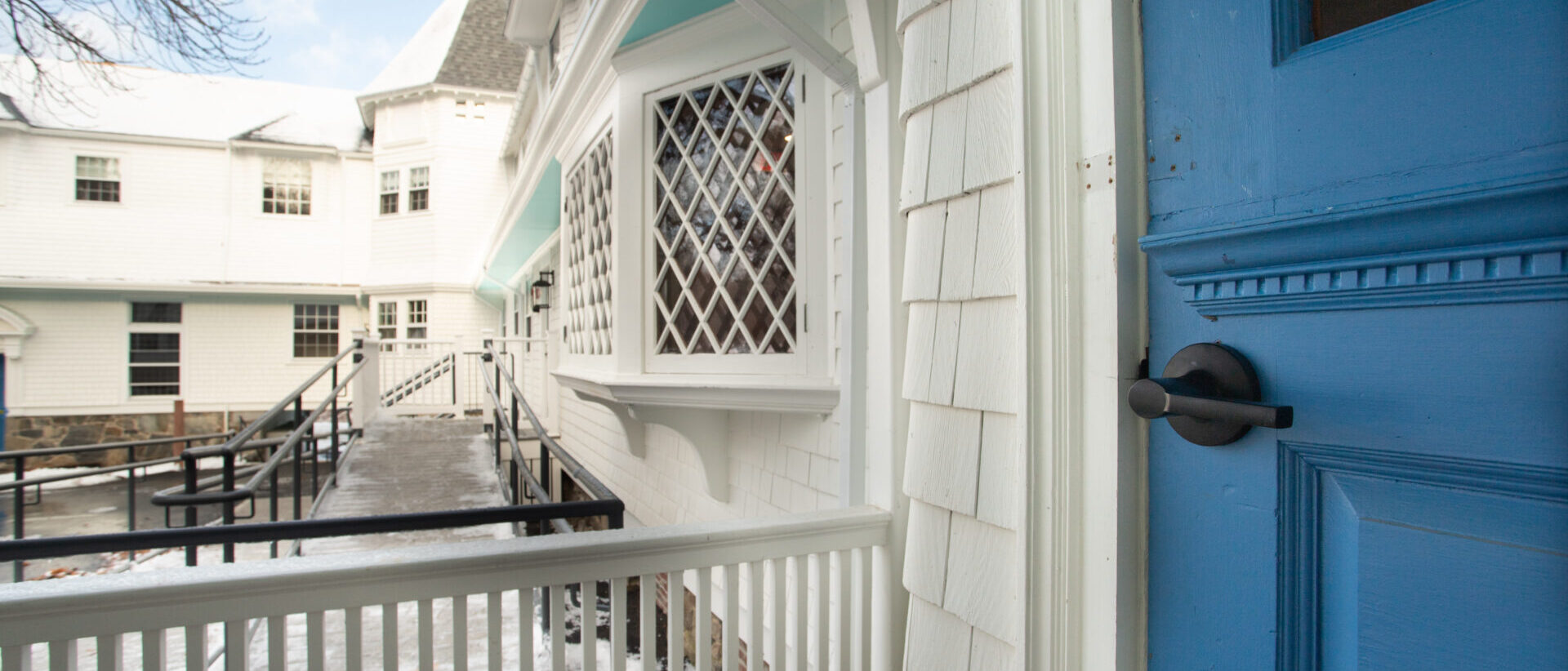
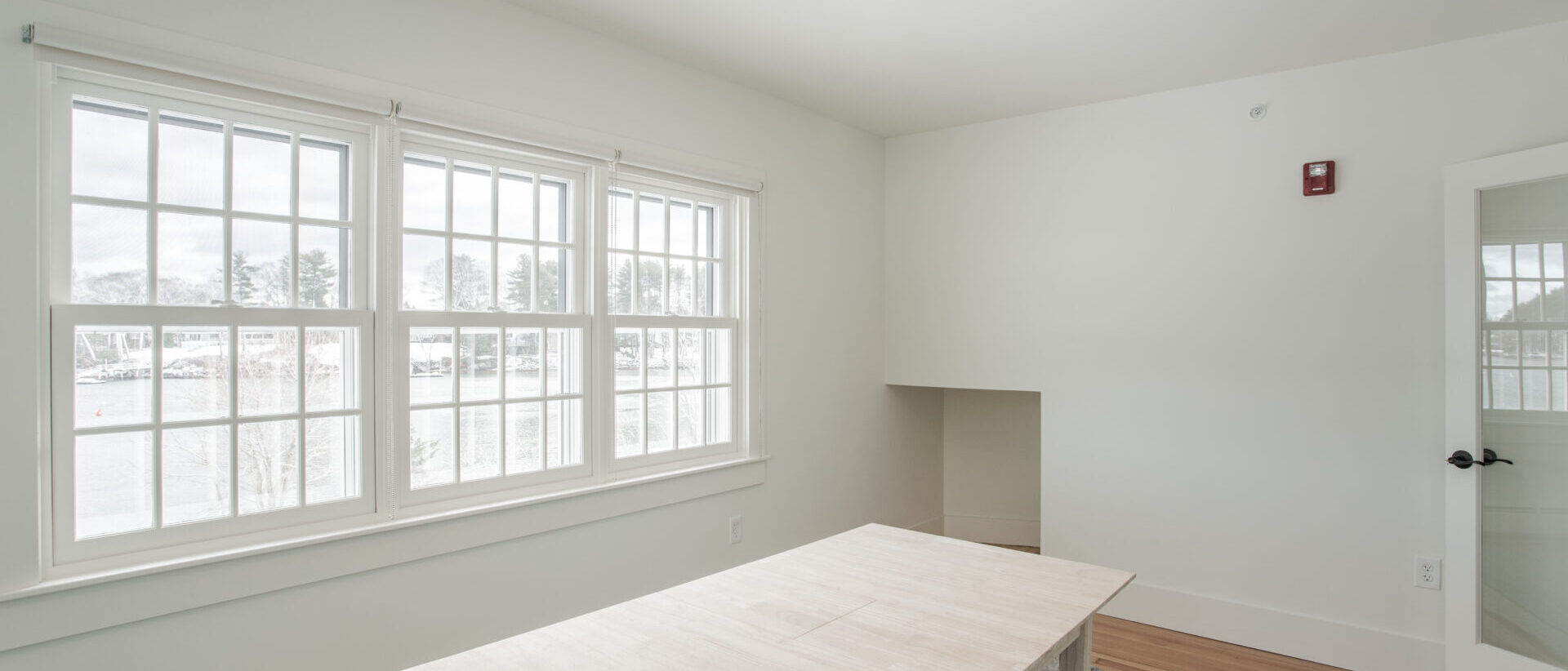
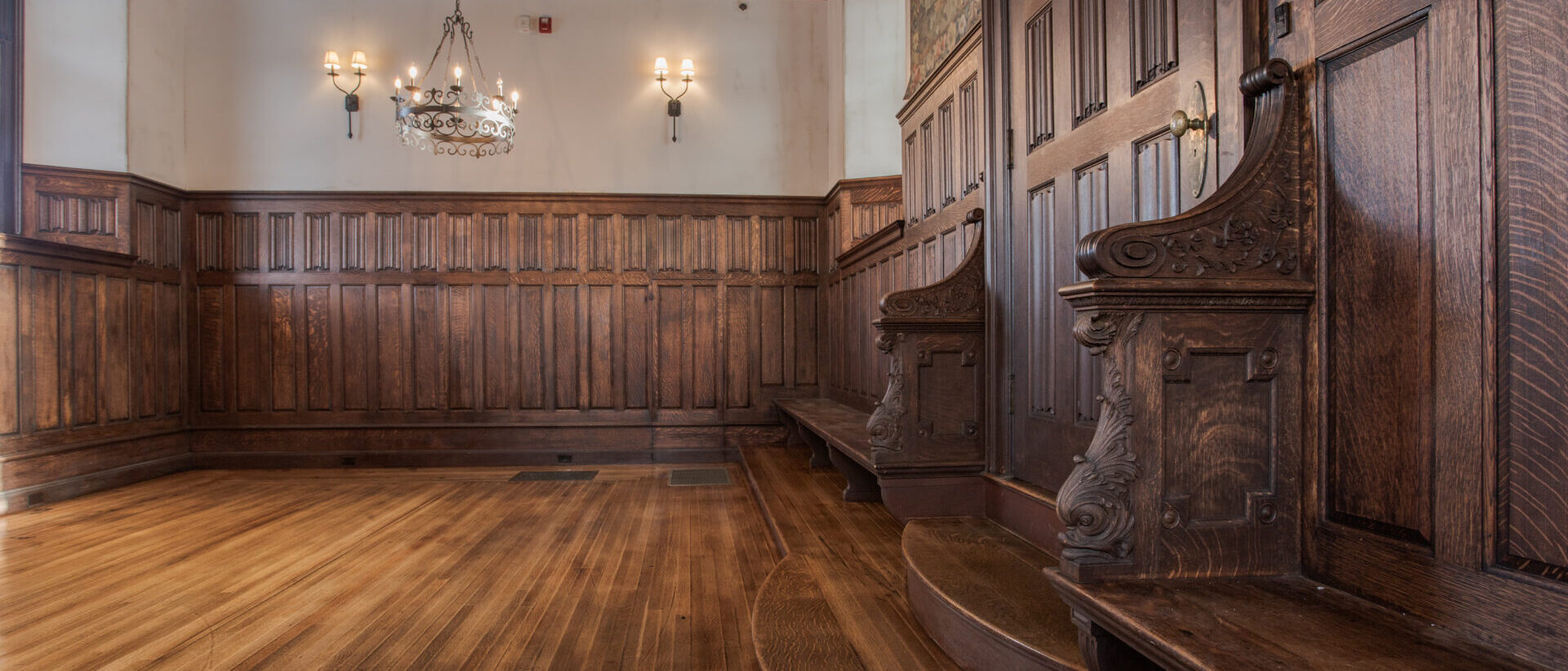
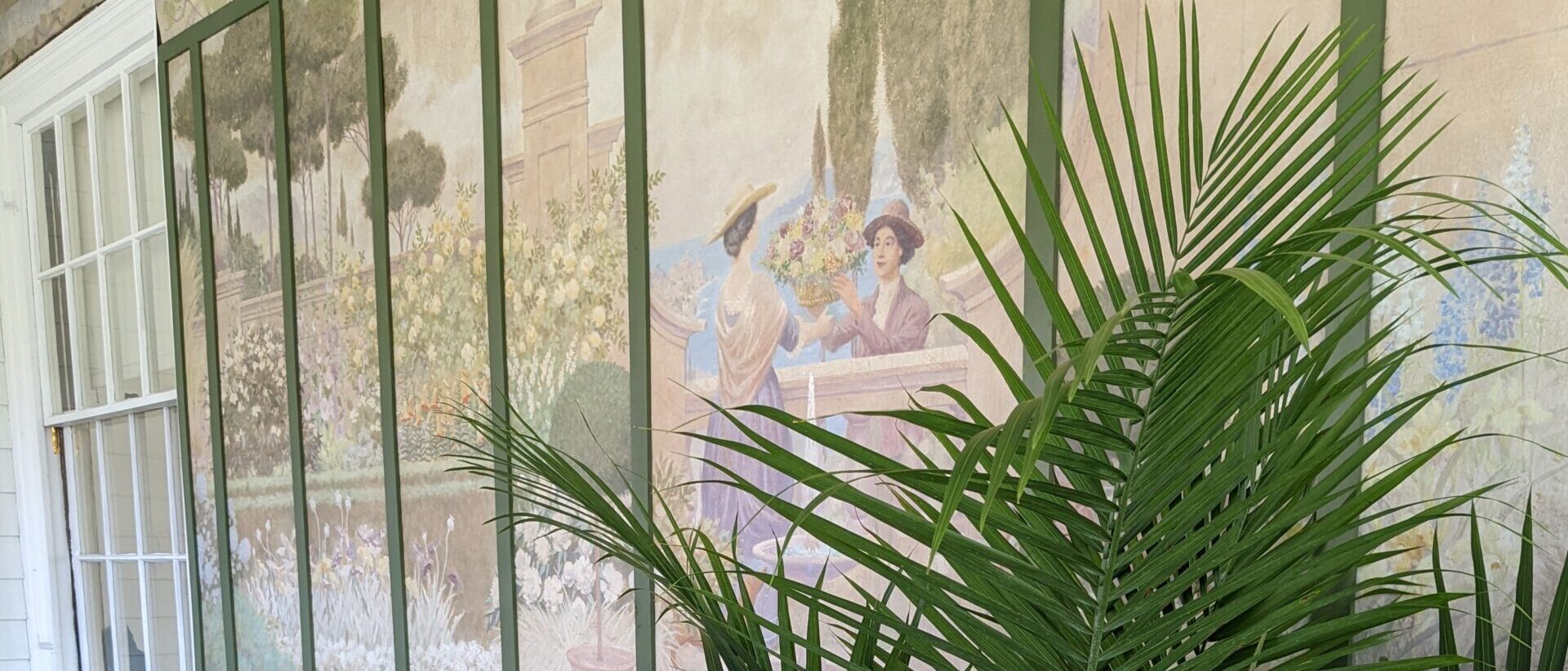
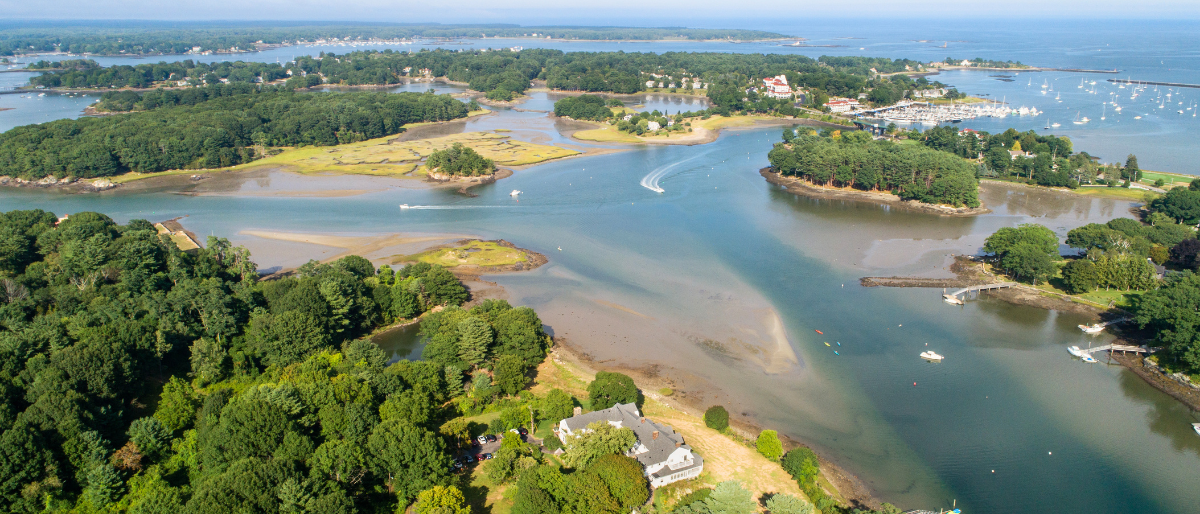
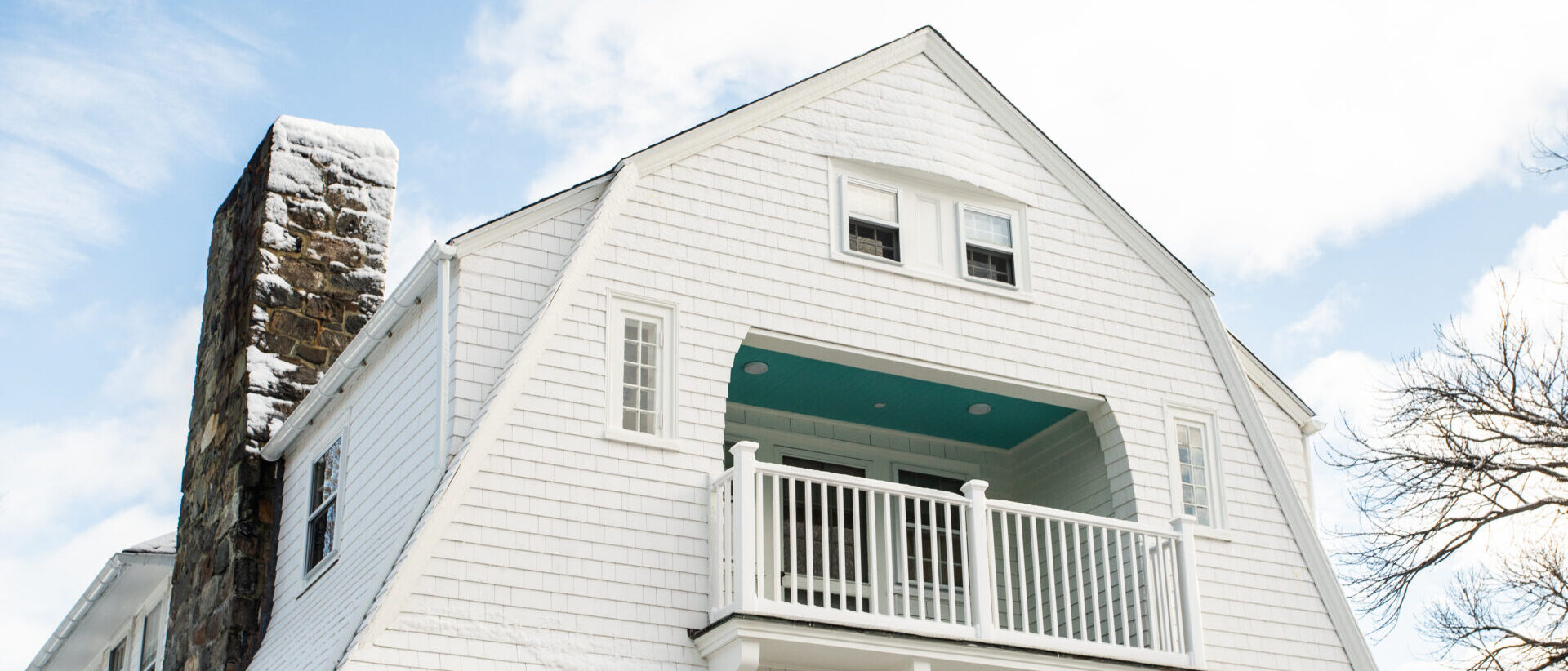
Special thanks to the Carey Cottage restoration team, Chinburg Properties and JSA Design.

My Garden
By Thomas Edward Brown 1830 – 1897
A Garden is a lovesome thing, God wot!
Rose plot,
Fringed pool,
Fern’d grot-
The veriest school
Of peace; and yet the fool
Contends that God is not-
Not God! in gardens! when the eve is cool?
Nay, but I have a sign;
“Tis very Sure God walks in mine.

Thanks to generous donors, The Forest Society acquired Creek Farm from Lillian “Billy” Noel who, with her husband Chet, stewarded the property for a half-century. Today the property encompasses woods, gardens, and historic buildings, including Carey Cottage. The restored house provides offices, living, and meeting spaces for nonprofit workers and organizations led by GoodWork, a nonprofit incubator.
Additional Resources: